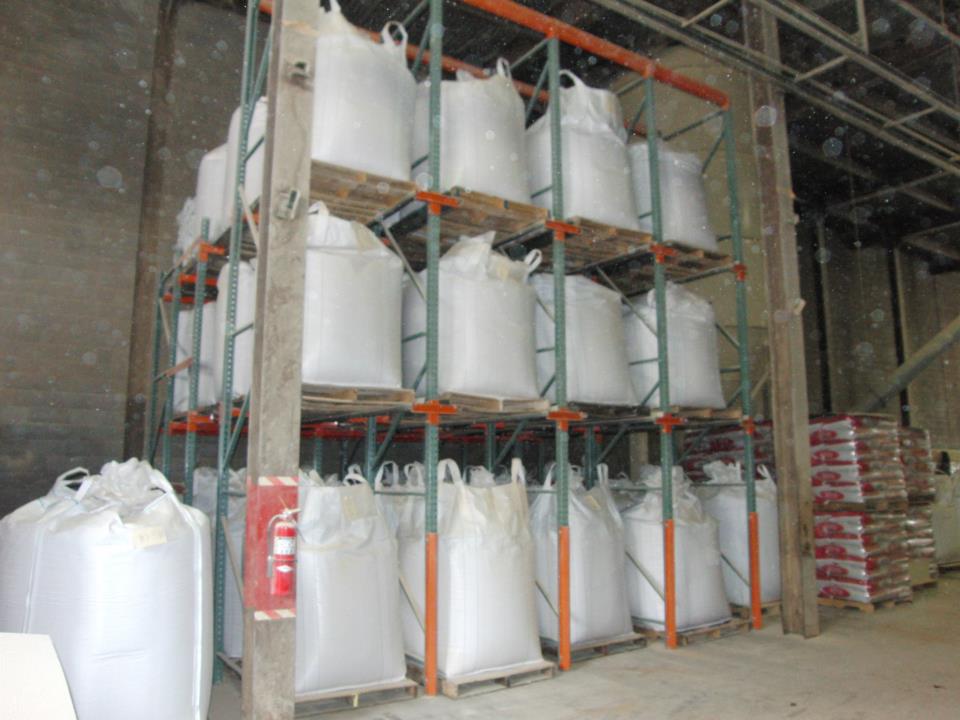
Drive-In Rack in Niagara Falls, NY
Drive-in rack gives Niagara Falls buyers a way to consolidate many pallets of a few SKUs into dense reserve lanes. Forklifts enter the structure to place loads on supporting rails, making access geometry part of the equipment specification.
Older manufacturing buildings along Buffalo Avenue can have storage opportunities interrupted by columns and process equipment. At Niagara Falls Industrial Park, a reserve proposal should likewise start with the actual receiving pattern rather than an assumed rectangular storage block.
Industrial processing, food storage, and third-party logistics can each produce repeated pallet groups. Their lane assignments still need to reflect product identity, rotation requirements, and the quantities held between receipts, not simply a common pallet footprint.
Drive-in pallet rack support and clearance
Drive-in pallet rack uses a single entry face, giving LIFO access to pallets in a lane. Where FIFO is necessary, drive-thru racking needs both-end access and a loading discipline that preserves the intended direction of product movement.
Rail spacing and elevation depend on loaded pallet dimensions, underside support, weight, and overhang. Keep incompatible pallet styles separate during review; shared nominal dimensions do not prove that every load will bear properly on the same rails.
Measure the actual forklift with its attachments and typical carried load. Mast shape, backrest, overhead guard, and turning approach must clear the proposed structure; guides help direct travel but cannot correct an undersized handling envelope.
Cooler and freezer layouts require suitable handling equipment and attention to pallet condition at operating temperature. Allow room outside lane entrances for movements through the room, and check whether dated food inventory calls for two-ended rotation.
Pushback can suit smaller reserve groups where the forklift should stay at the aisle. Cart-supported lanes generally operate LIFO, so compare accessibility and occupancy as well as density. Selective positions may remain necessary for diverse industrial inputs or account-specific stock.
Drive-in rack planning and installation
A useful first discussion connects pallet data with receipt and dispatch patterns. Bring the forklift details and a building plan so the reserve proposal can be tested against the operation’s real circulation needs.
Describe receipts and withdrawals
Record batch quantities, product groups, and the sequence in which they leave storage. Include uneven inbound deliveries so lane depth reflects the inventory actually held between dispatches.
Measure the available work area
Identify columns, process boundaries, truck approaches, and storage height. Review these restrictions with the pallet profile before deciding where a lane block can begin and end.
Agree support and access
Select the rail arrangement and lane depth around documented loads and forklift dimensions. Compare LIFO and FIFO options with their required aisles shown, keeping staging visible on the same plan.
Coordinate assembly and handover
Define equipment delivery access and the installation work zone before scheduling crews. Review the completed storage arrangement, capacity information, and intended handling practices with the operating team.
Why drive-in rack starts with product groups
We supply new storage equipment with the proposed configuration and installation scope clearly described. As a division within Warehouse Equipment & Supplies Co., we continue its warehouse equipment supply and installation work established in 1997.
Experienced crews perform installation on a schedule we coordinate and manage. We discuss unloading access and assembly space alongside the rack drawing so a delivery of equipment does not consume the area intended for normal product handling.
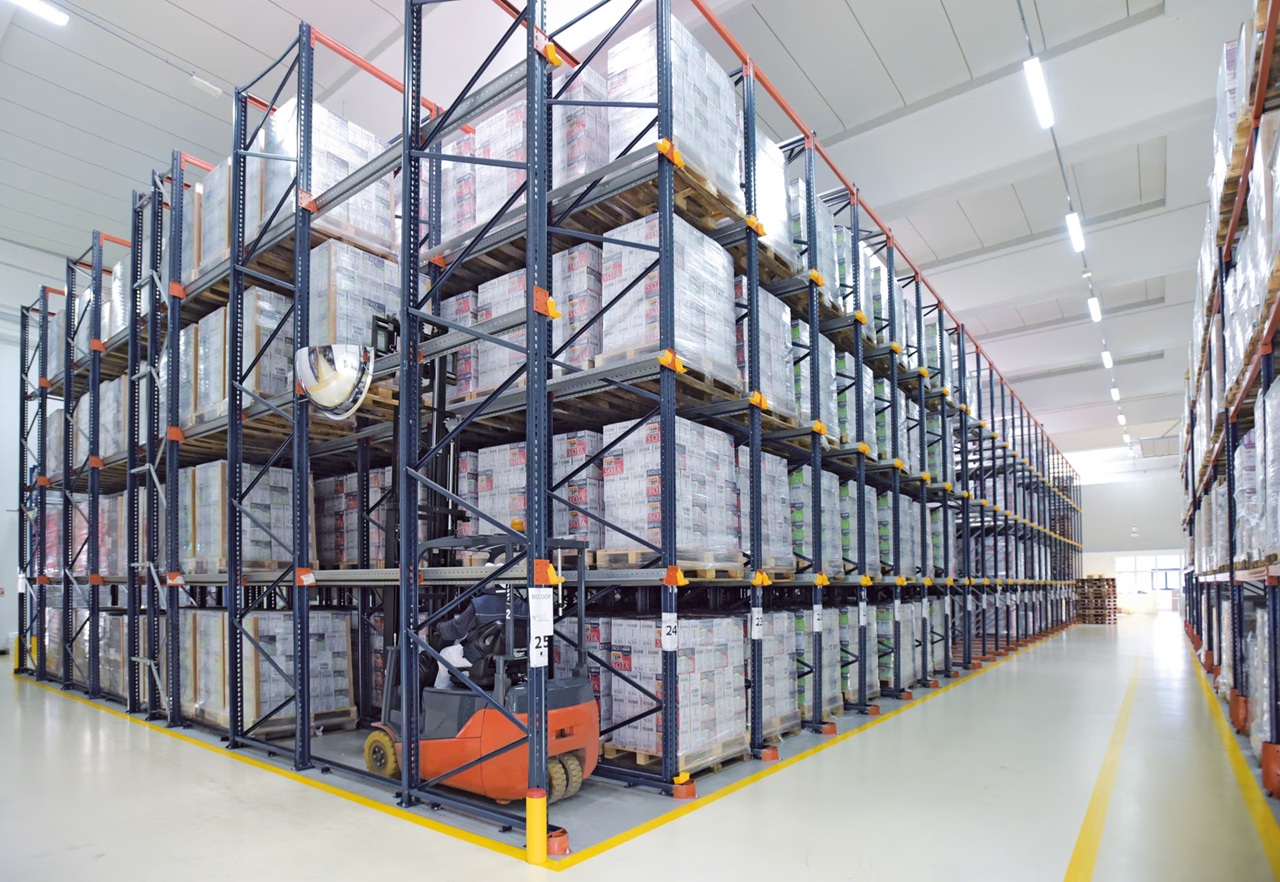
Niagara Falls Lane Storage Planning
Deep lanes work best when operators can keep product assignments clear. Identify where short batches, differing accounts, and items awaiting dispatch will wait, rather than allowing those loads to occupy the approach needed for repeated lane entry.
Recent Installations
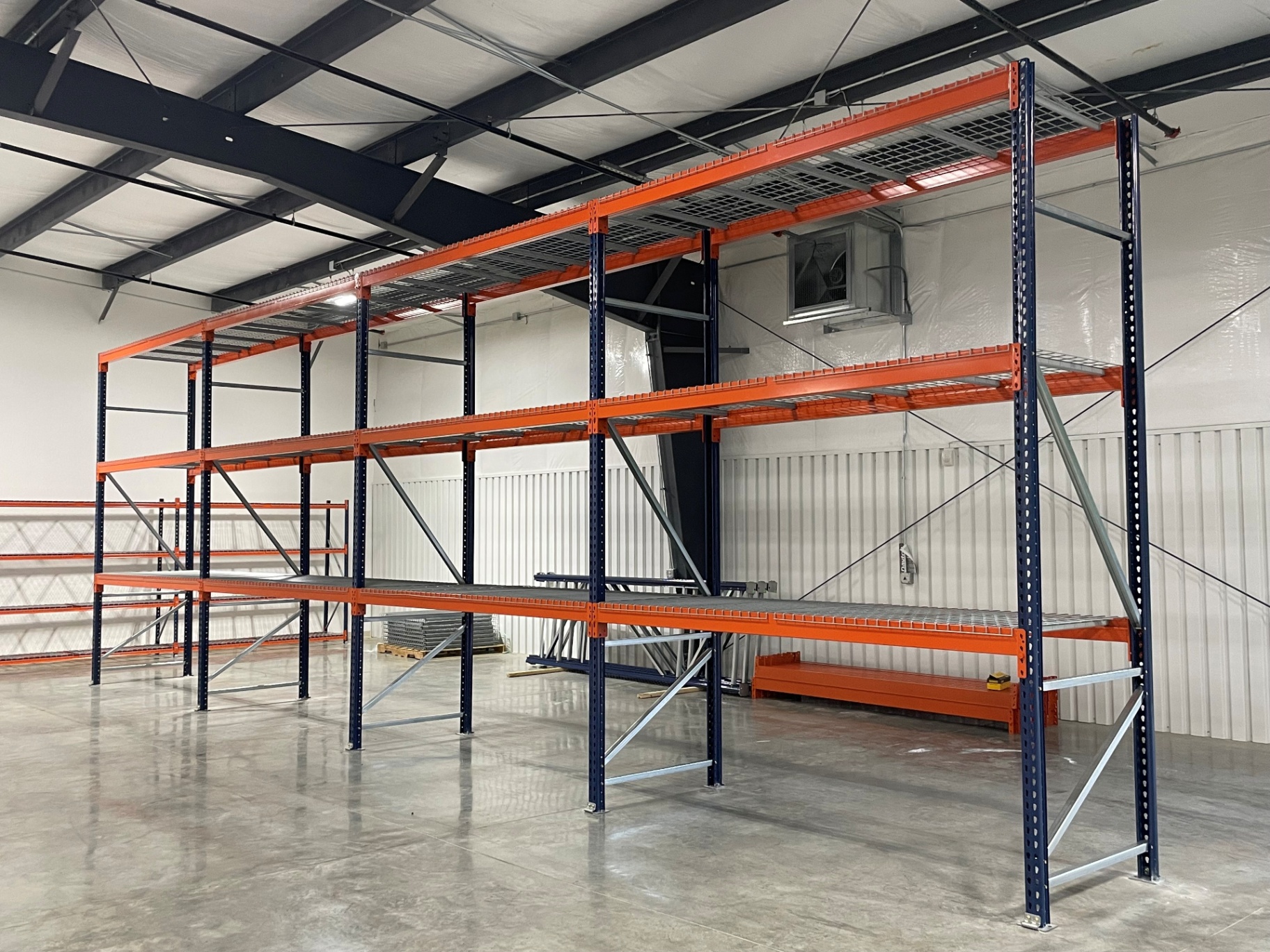
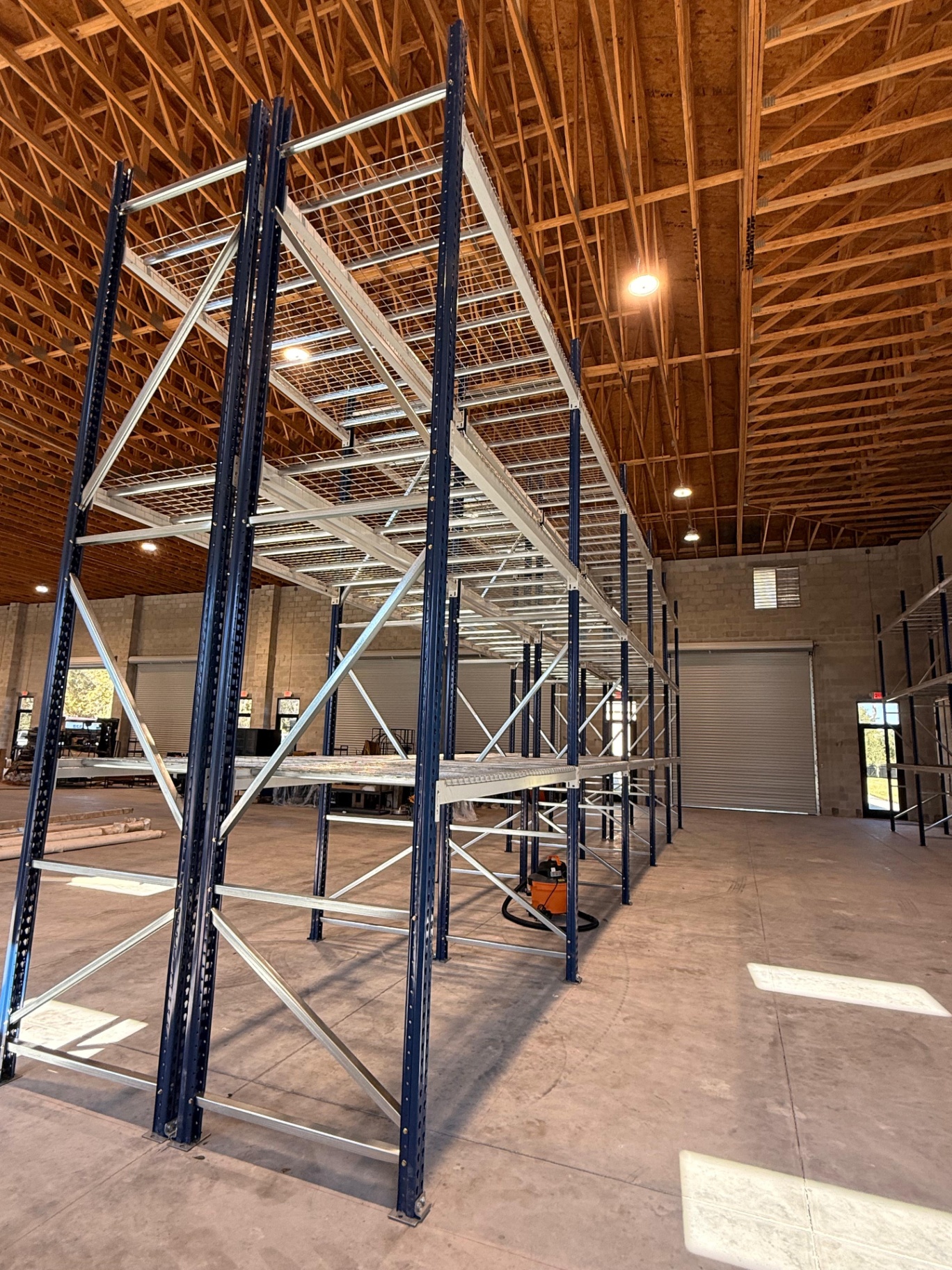
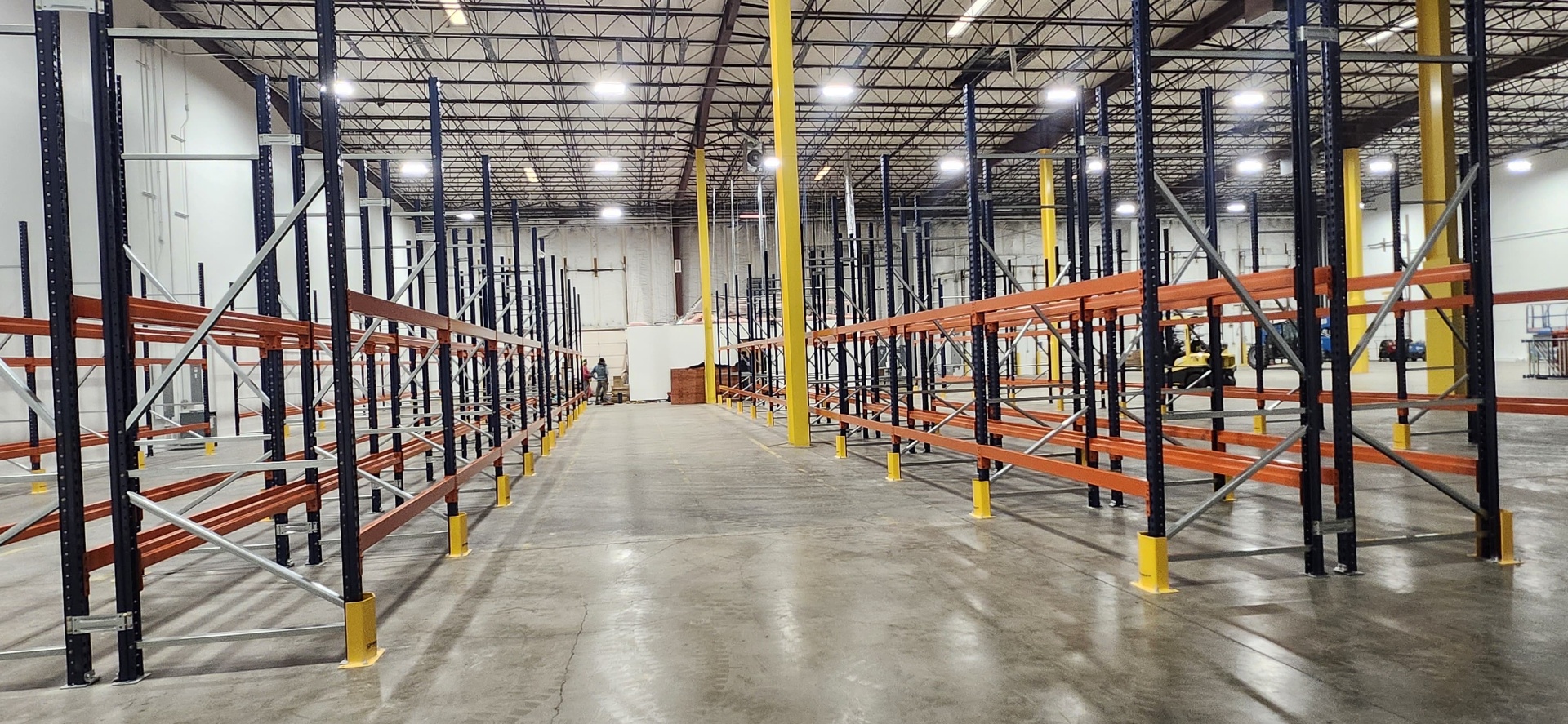
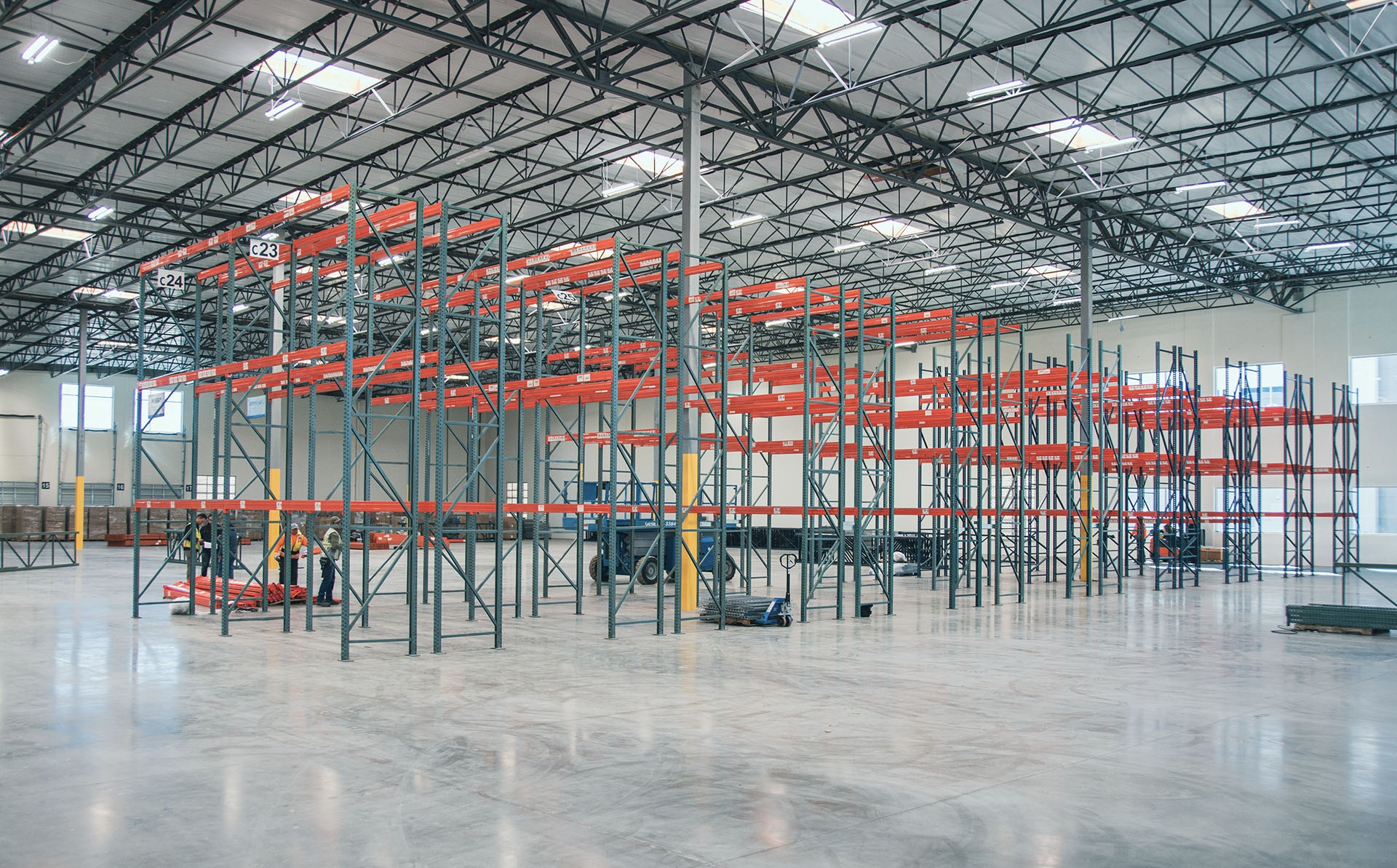
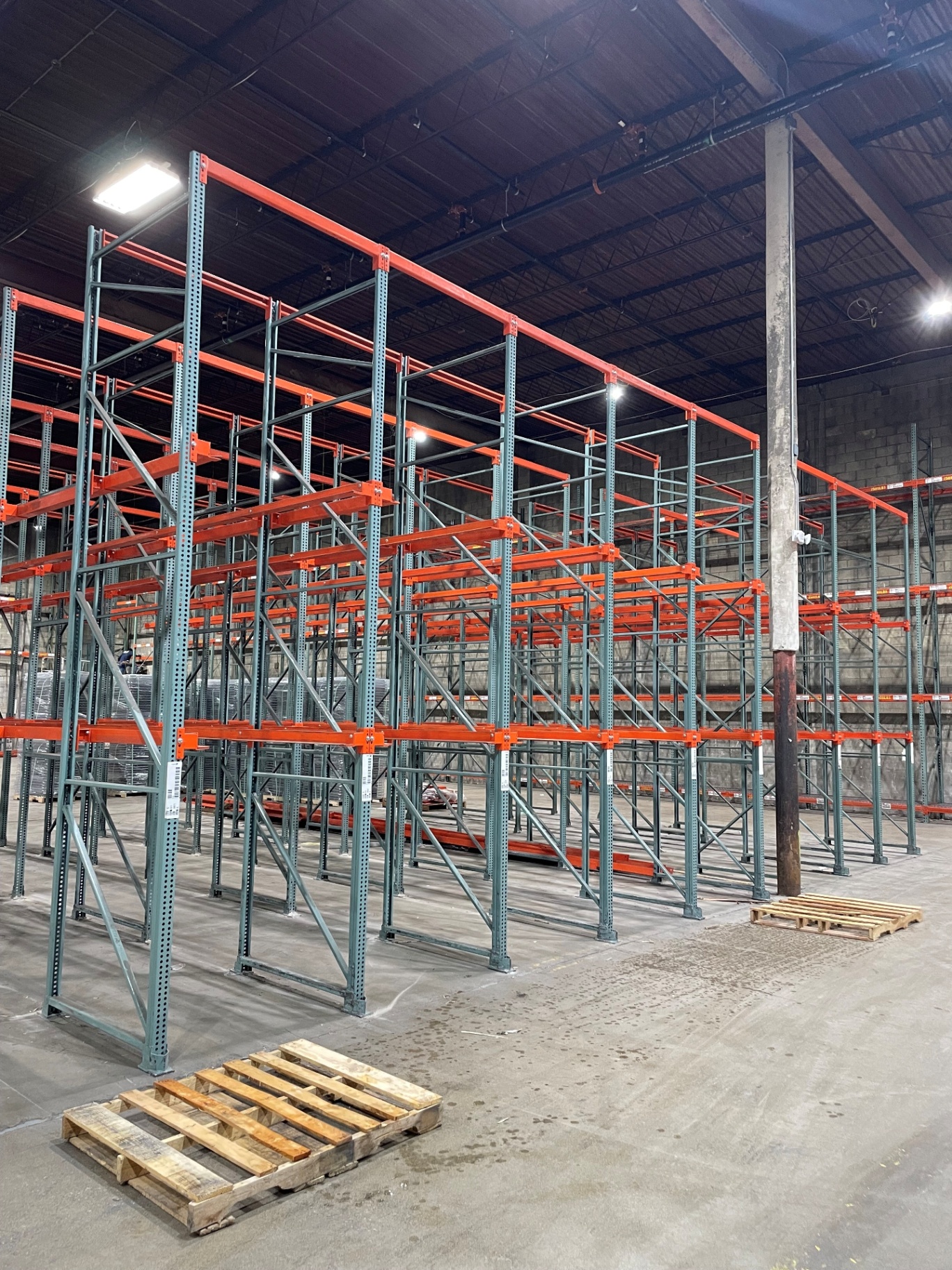
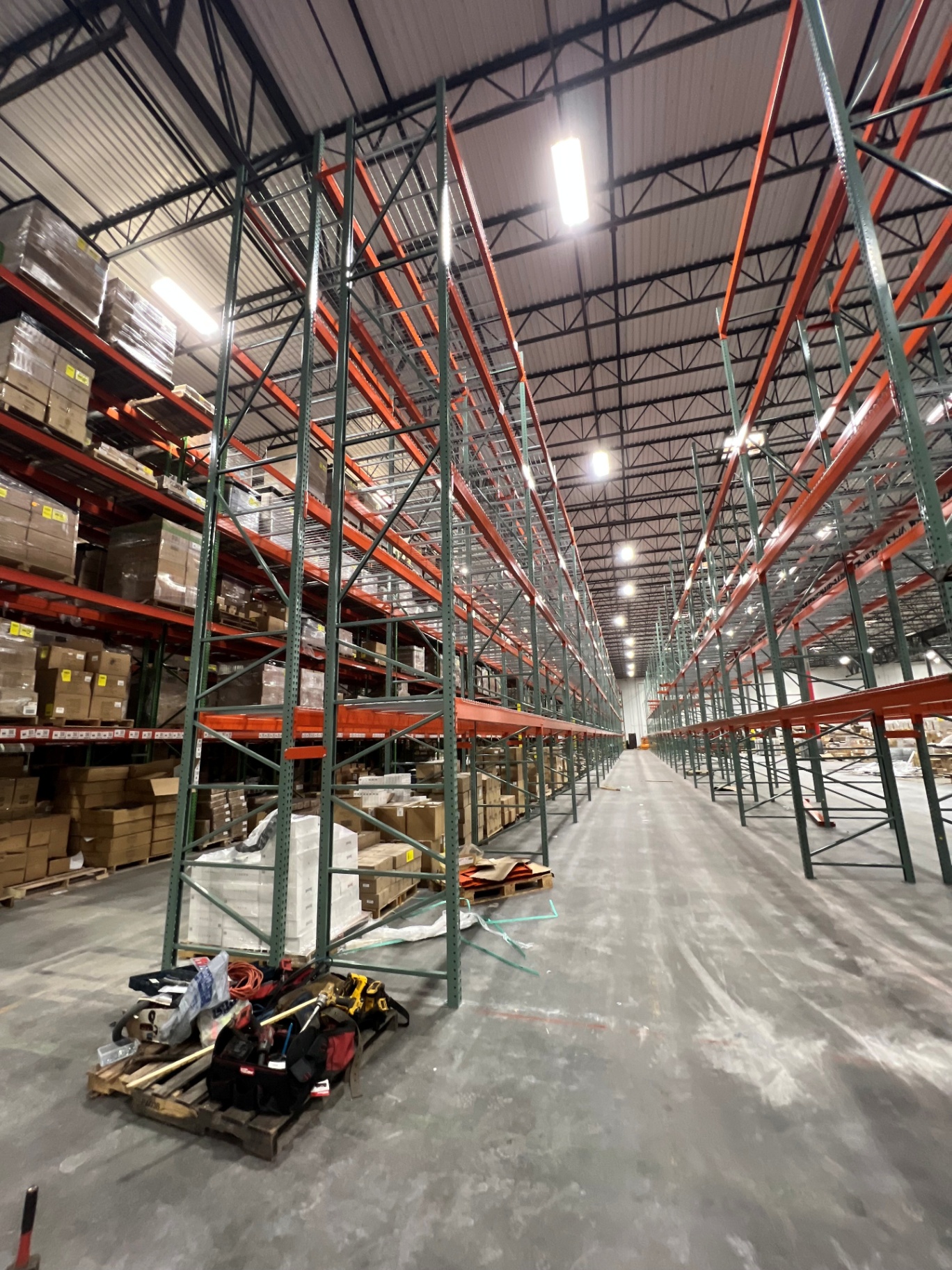
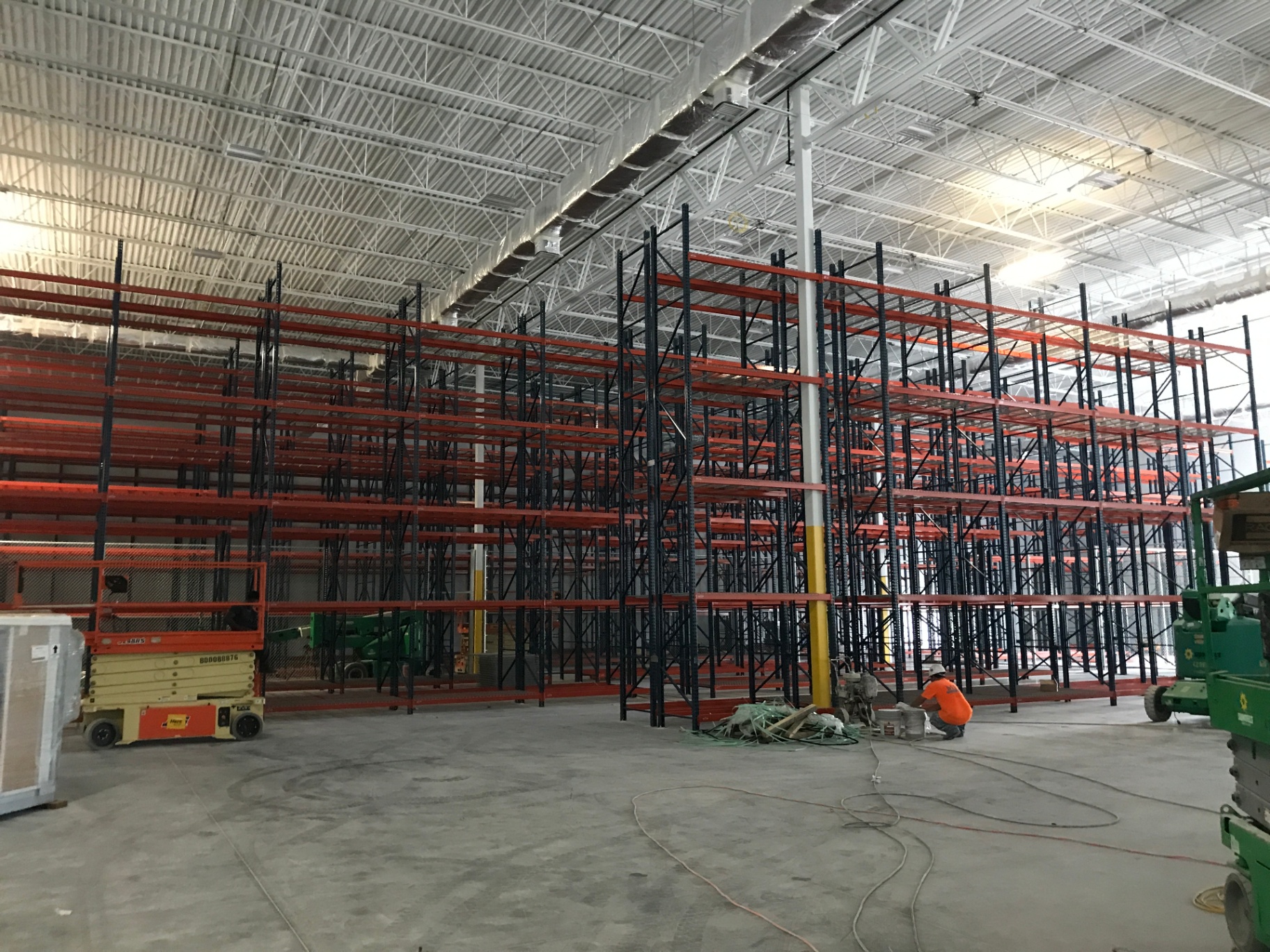
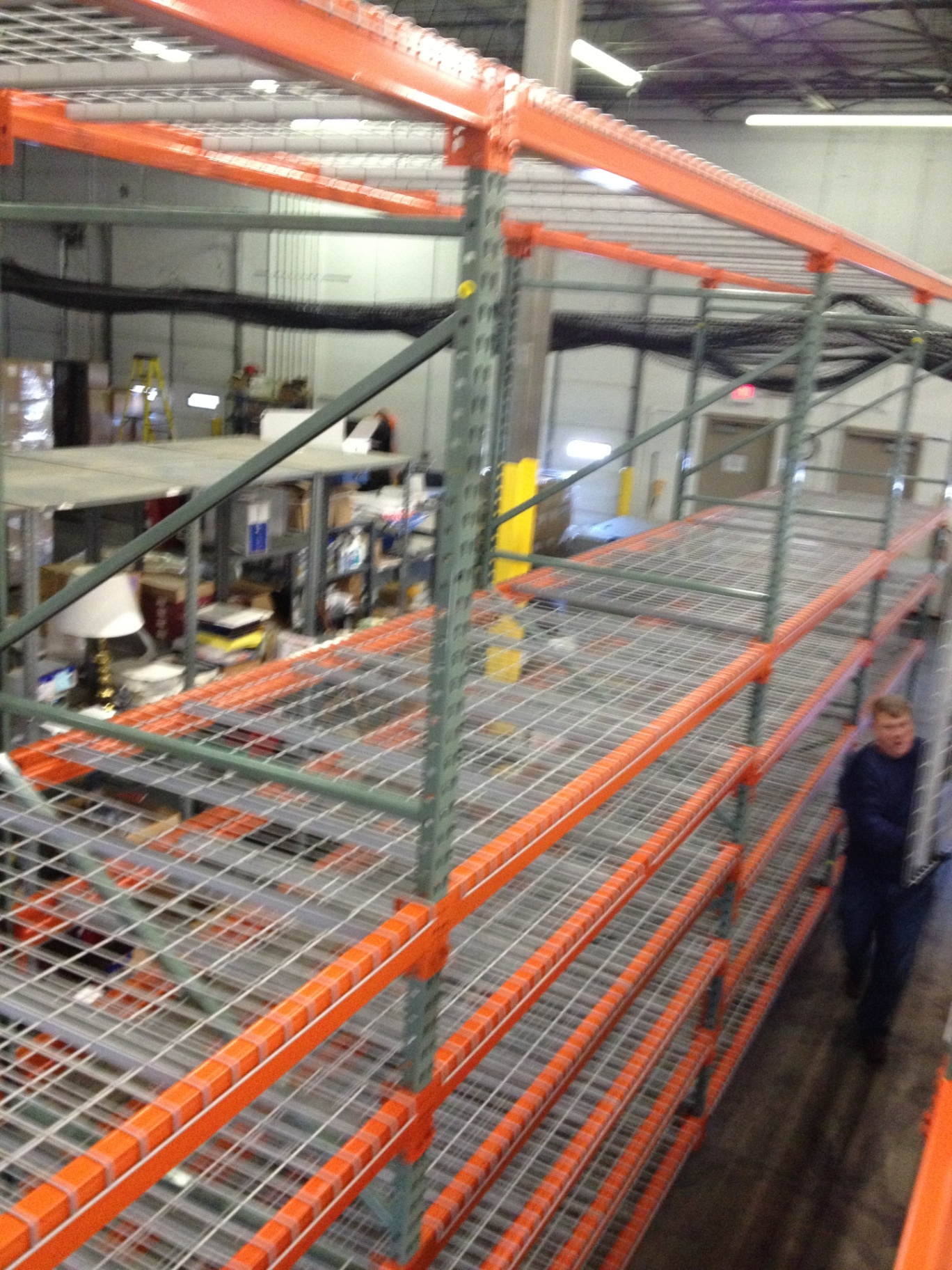
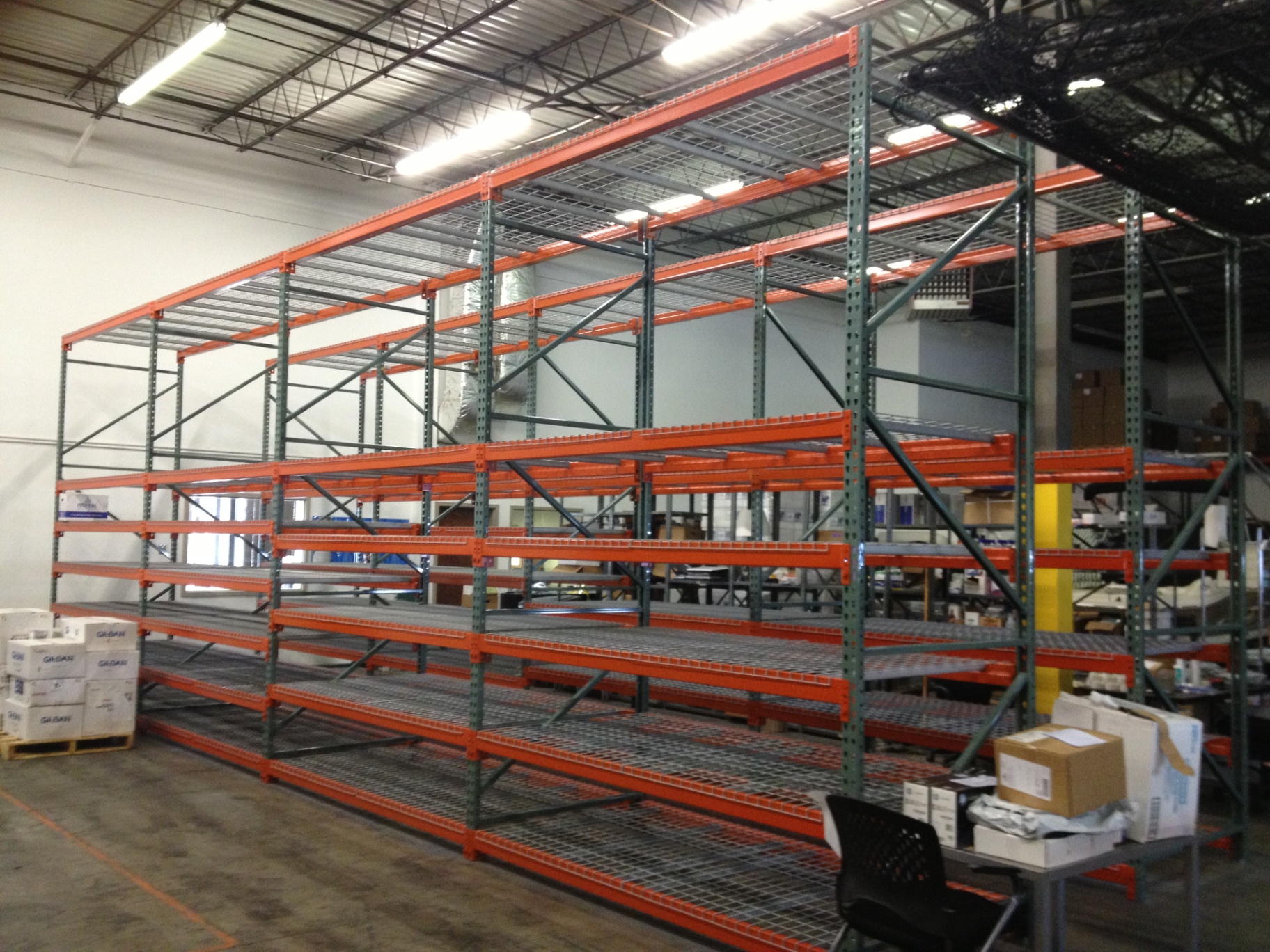
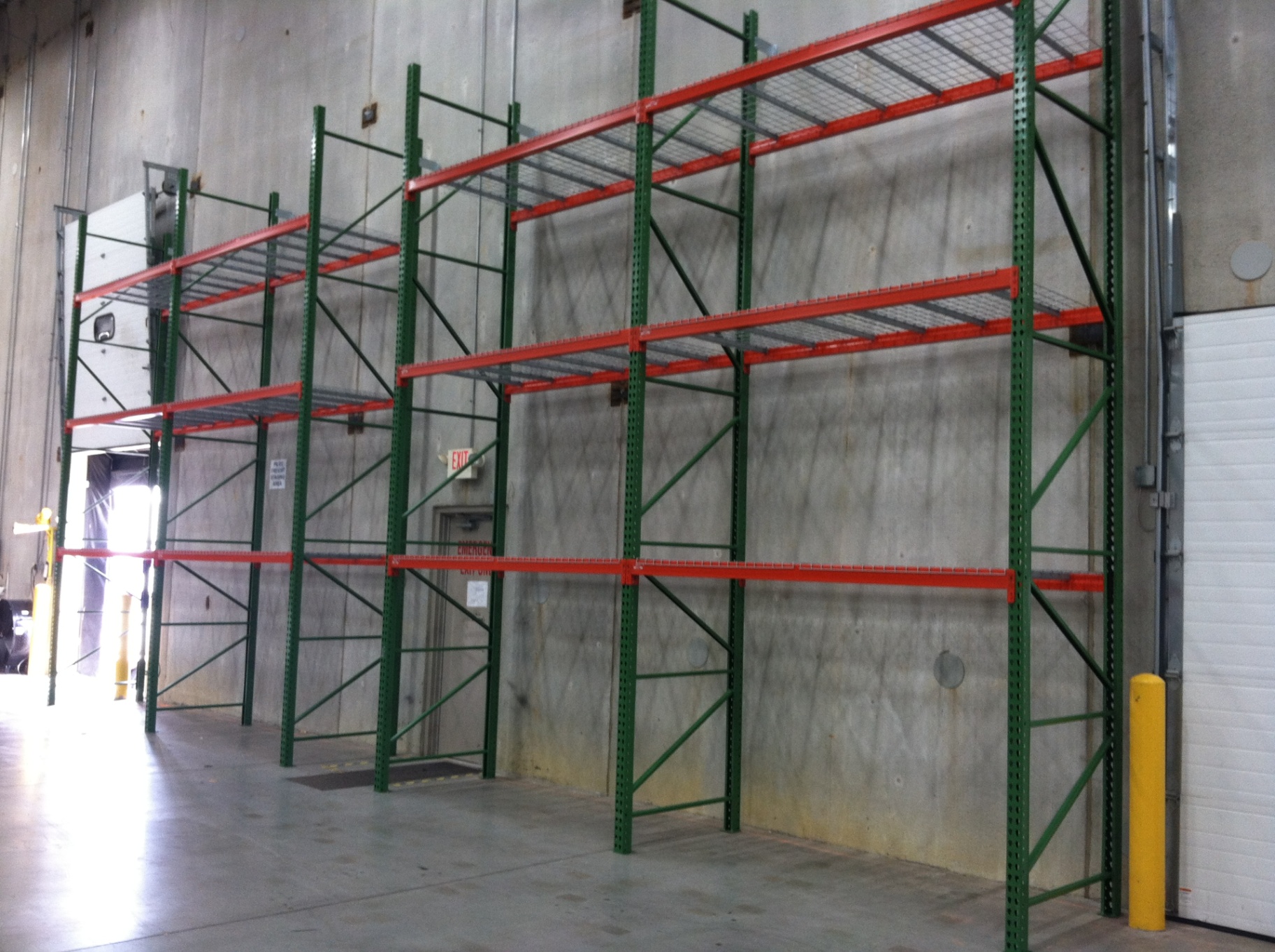
Racking projects completed for warehouses across Buffalo and Western New York.
Review your pallet storage requirements
Share your product groups, handling requirements, and available building space to begin planning a new storage arrangement. Call (716) 261-2779.
Buffalo Pallet Rack
2075 Kenmore Ave.
Ste 100A
Buffalo, NY 14207
(716) 261-2779Monday - Saturday: 8:00 AM - 6:00 PM
Questions for industrial and cold-storage buyers
Other Rack Types We Supply in Niagara Falls
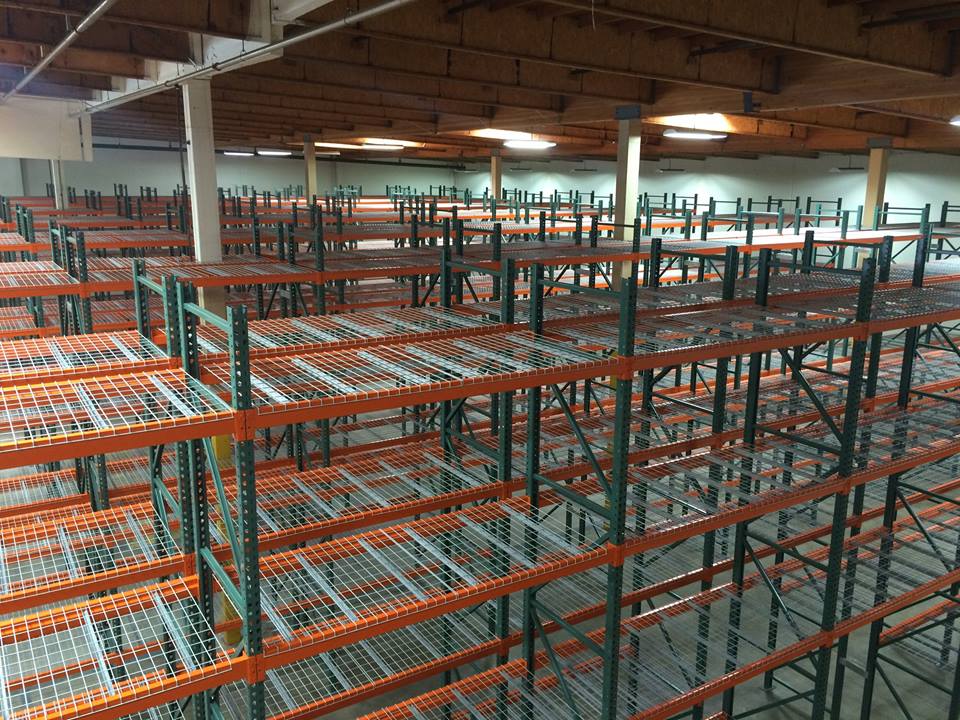
Pallet Rack
Every pallet reachable, every time. The baseline we size everything else against.
View details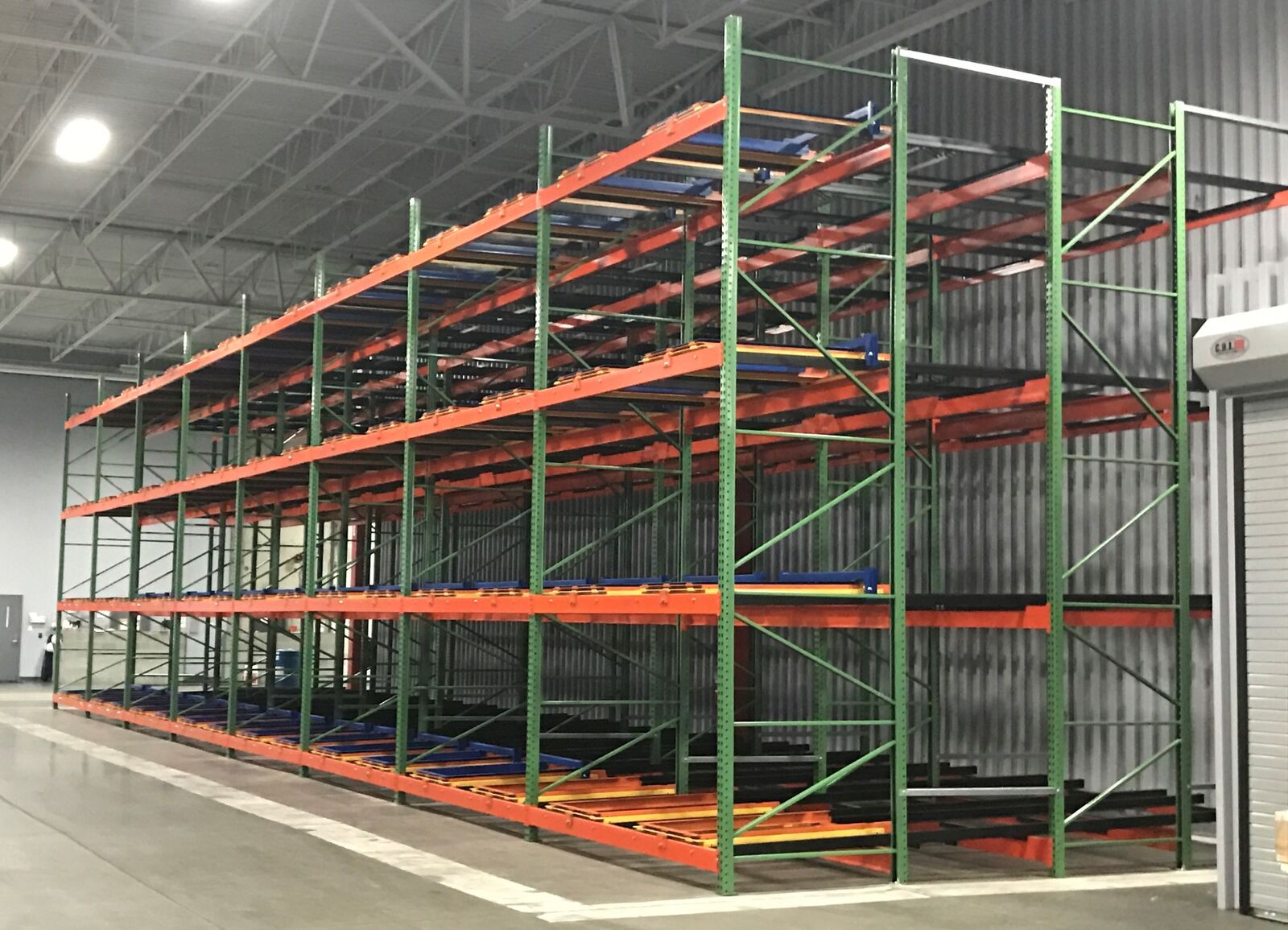
Pushback Rack
Two to six pallets deep from one aisle, without giving up much reach.
View details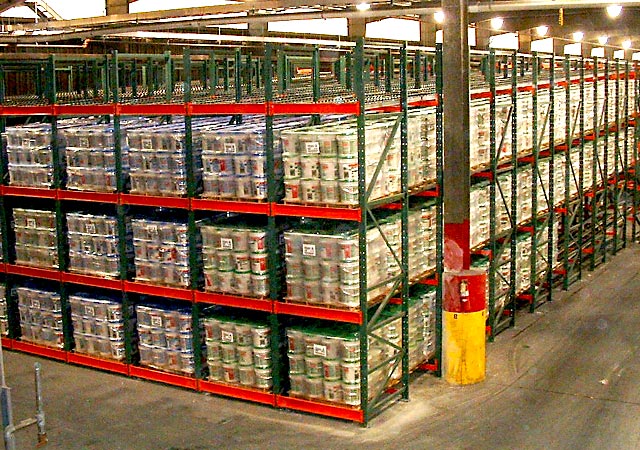
Pallet Flow Rack
Load one side, pick the other, and let gravity enforce first in, first out.
View details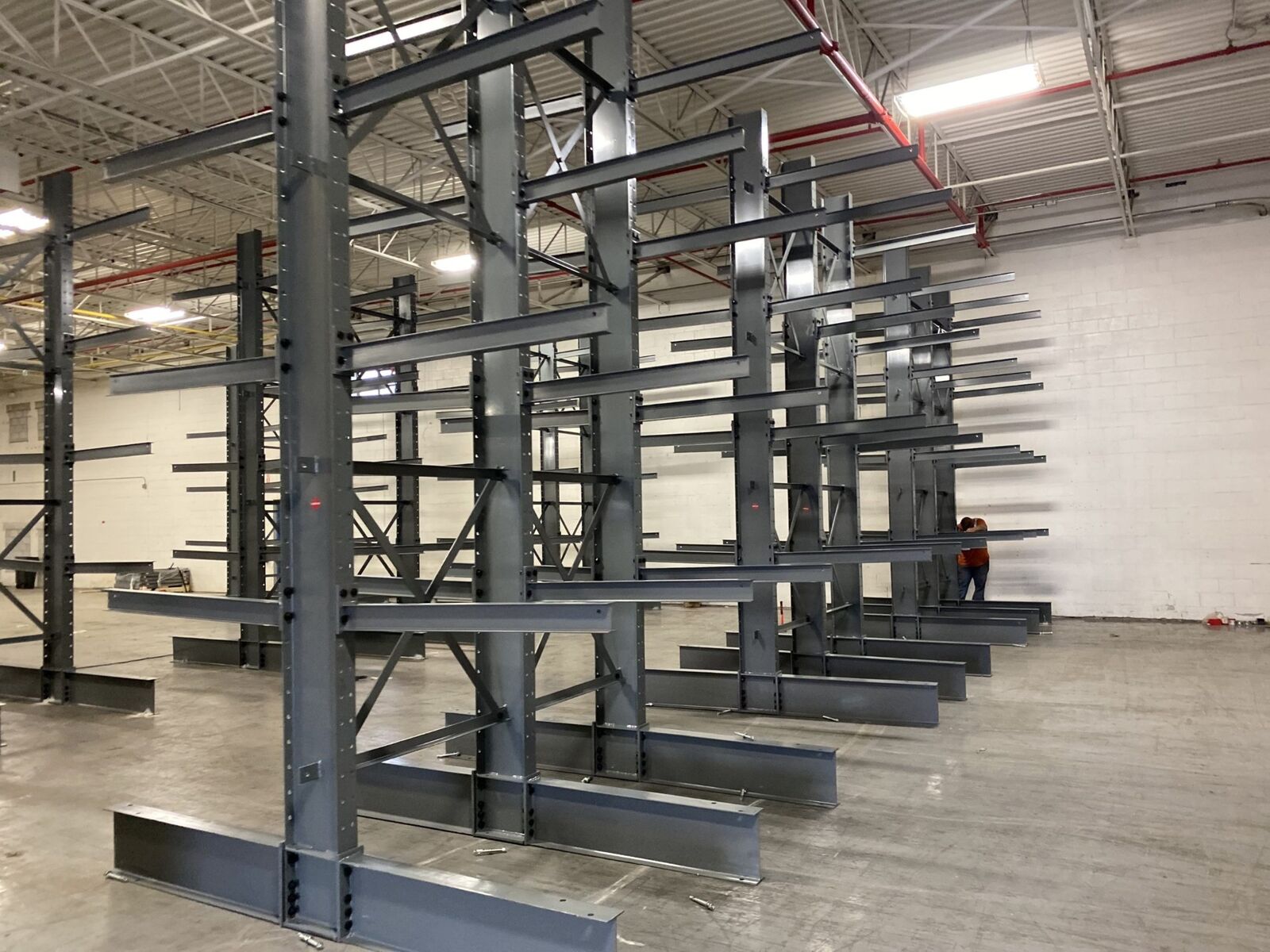
Cantilever Rack
Arms with nothing in front of them, built for lumber, pipe, and anything a pallet can't hold.
View details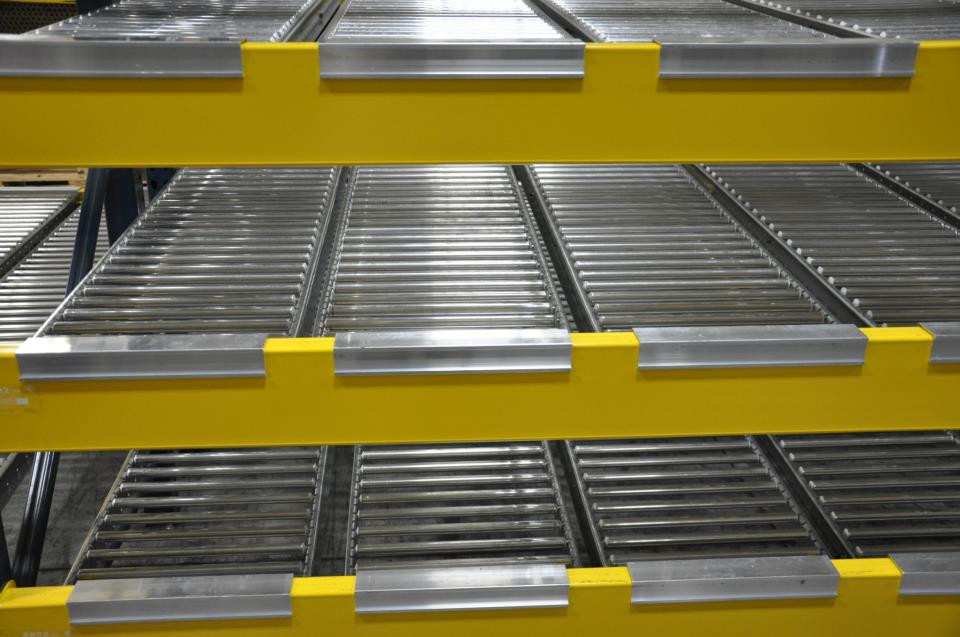
Carton Flow Rack
Cases advance to the picker instead of the picker hunting for cases.
View detailsNiagara Falls project coverage
We consider Buffalo Avenue industrial premises, Niagara Falls Industrial Park, and Packard Road facilities individually. Where deliveries use I-190 or the Niagara River crossings, installation planning should still confirm access from the property entrance to the assembly area.
Warehouse Relocation in Niagara Falls
Moving to another building? Plan rack teardown, labeling, transport coordination, and reinstallation against the new layout.
Visit Our Buffalo Location
Located in Buffalo, we serve all of Western New York with industrial pallet racks and warehouse storage solutions.
Buffalo Pallet Rack
Address
2075 Kenmore Ave.
Ste 100A
Buffalo, NY 14207
Phone
(716) 261-2779Business Hours
Monday - Saturday: 8:00 AM - 6:00 PM
Sunday: Closed
Need Drive-In Rack in Niagara Falls?
Call (716) 261-2779 or request a quote and we will get a layout started.