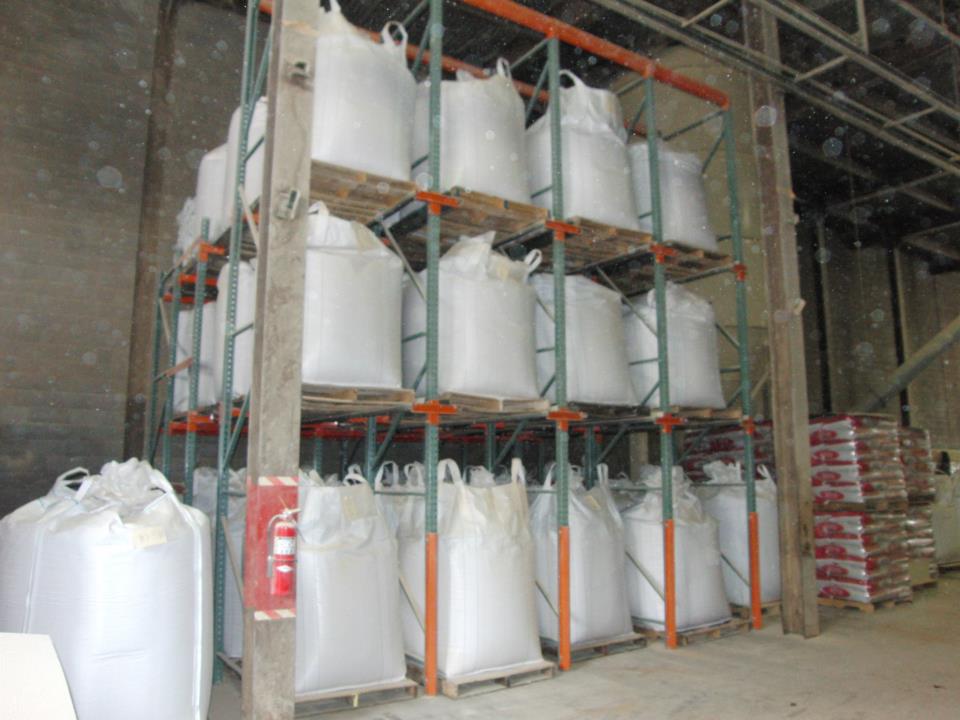
Drive-In Rack in Tonawanda, NY
Drive-in rack helps Tonawanda plants evaluate dense reserve storage for many pallets drawn from few SKUs. The handling truck enters a lane and deposits pallets on rails, so storage capacity and forklift clearance must be considered together.
River Road manufacturing properties may have columns and crane bays that limit usable lane depth. Near Sheridan Drive, the entrance to a proposed reserve block should connect to receiving without absorbing the route that feeds production.
Industrial loads vary with product and packaging, making actual maximum weights more useful than a warehouse average. New equipment should be specified for the approved loads and configuration rather than an assumed match to another plant.
Why specify drive-in rack for actual loads
We bring the rack specification and working layout into the same purchasing discussion. Our company is a division of Warehouse Equipment & Supplies Co., supplying and installing warehouse equipment since 1997.
Installation is carried out by experienced crews whose schedule and work we manage. Before assembly begins, we coordinate material placement and the work area with the plant’s production access instead of treating unused floor space as automatically available.
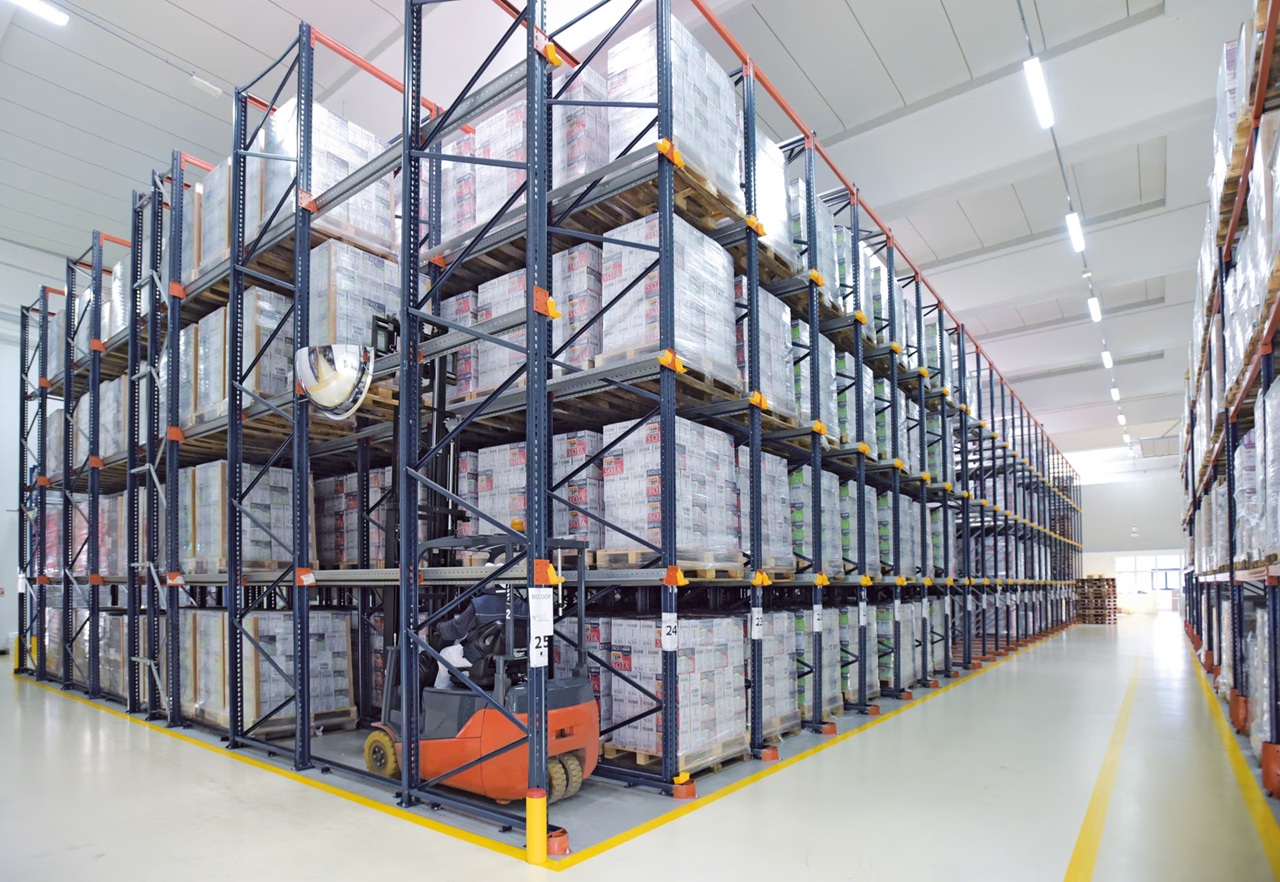
Tonawanda Lane Storage Planning
A lane assigned to one product should not become a holding place for unrelated production leftovers. Plan where partial batches and changing SKUs will go so access compromises do not erase the benefit of deep reserve storage.
Drive-in pallet rack rails and truck access
Drive-in pallet rack normally follows LIFO because pallets enter and leave through one face. FIFO can be arranged with drive-thru racking where both-end access is provided and the operating sequence keeps loading separate from retrieval.
Rail support depends on pallet construction as well as dimensions. Establish load weight, bearing surfaces, overhang, and loaded height before selecting supports, elevations, and lane depth for repeated building products or manufacturing output.
Forklift body width alone does not establish clearance inside the structure. Review mast shape, overhead guard, backrest, attachments, and carried load throughout travel; position guide rails with that complete envelope and the required entrance turn in mind.
For food reserve or cooler and freezer applications, confirm that pallet condition and truck suitability match the operating environment. Product rotation may make two-ended access worth considering even where a single-ended block would occupy less circulation space.
Pushback is an alternative for shorter groups of matching pallets where keeping trucks outside the storage structure matters. Its cart-based lanes usually remain LIFO, while selective rack offers direct access for maintenance supplies or diverse production components.
Planning drive-in rack around plant activity
Capacity begins with what the plant stores and how it moves. A useful first review includes pallet records, forklift specifications, and a drawing showing the production areas that storage cannot displace.
Define the industrial loads
Collect maximum pallet weights and identify packaging variations across repeat products. Separate unusually shaped loads from standard reserve so the proposed rail arrangement reflects what operators actually handle.
Map plant restrictions
Locate columns, crane working envelopes, machinery, and maintenance approaches. Set lane entrances where a loaded truck can turn without crossing the production route unnecessarily.
Compare the storage choices
Review depth, lane assignment, and rotation alongside a pushback alternative where appropriate. Include working aisles and staging in the comparison rather than counting only the positions inside the structure.
Arrange installation and review
Agree the accessible work zone and coordinate the installation crews. Review the assembled configuration, load information, and intended handling sequence with the people responsible for using the lanes.
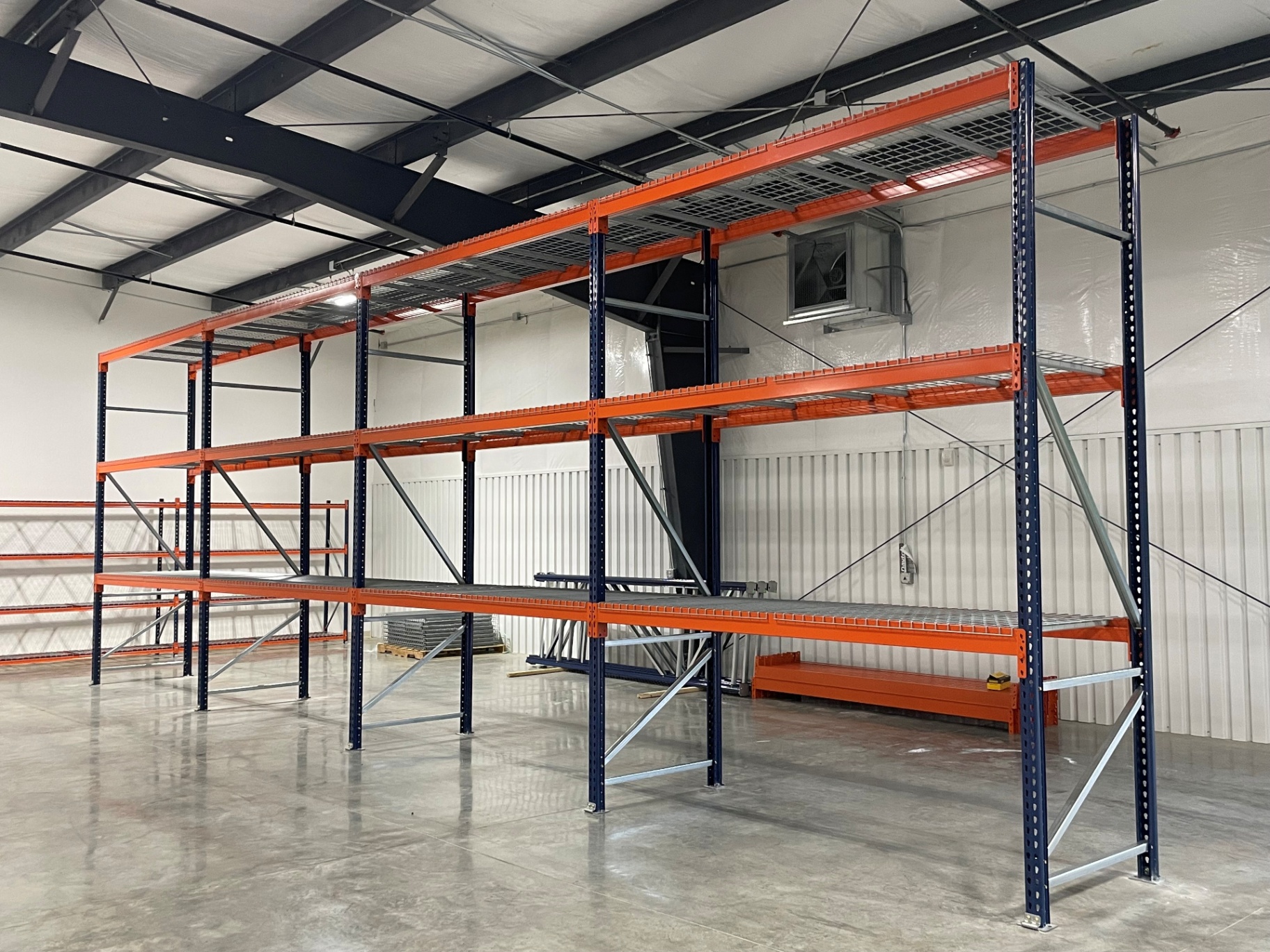
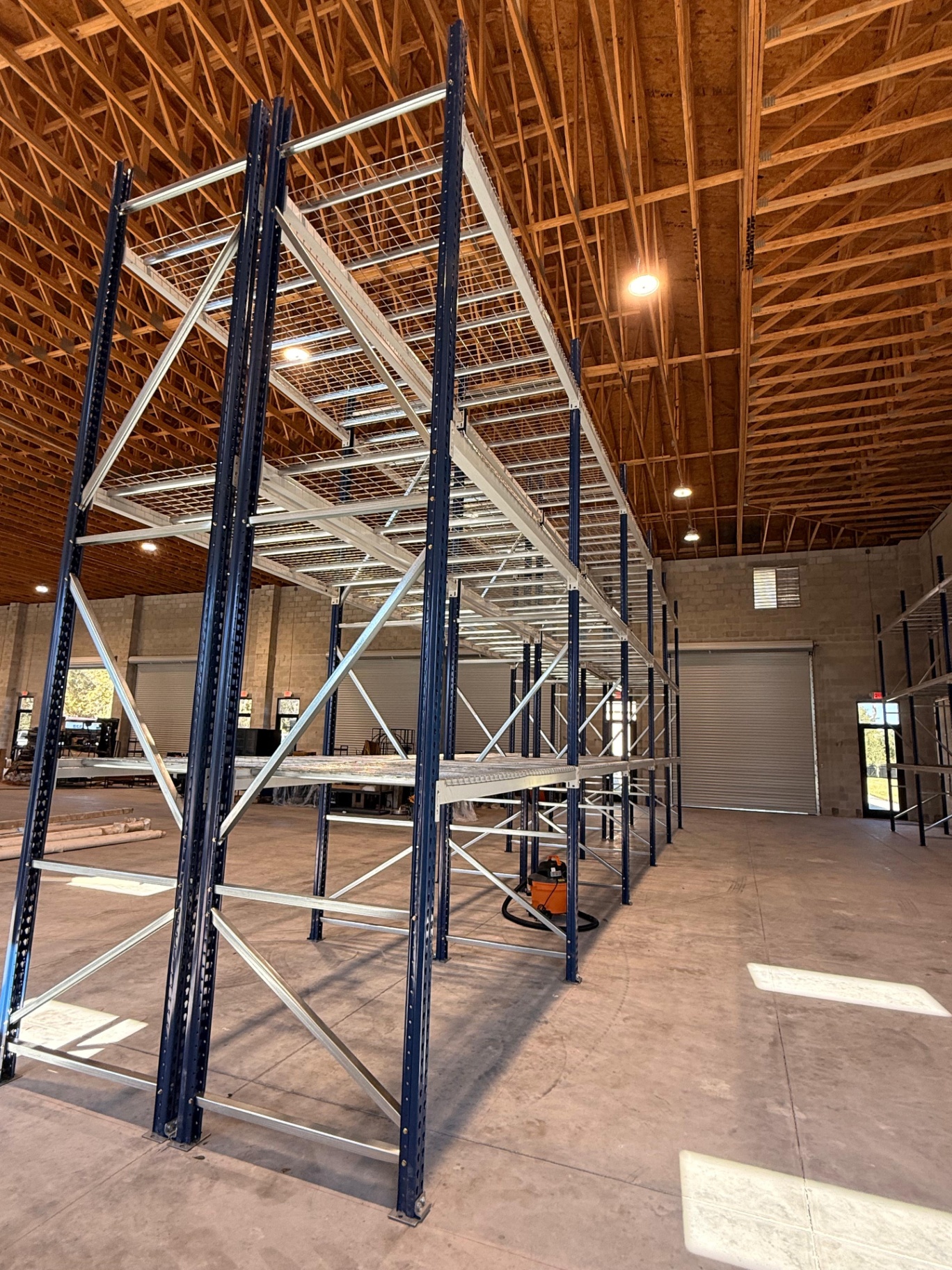
Recent Installations
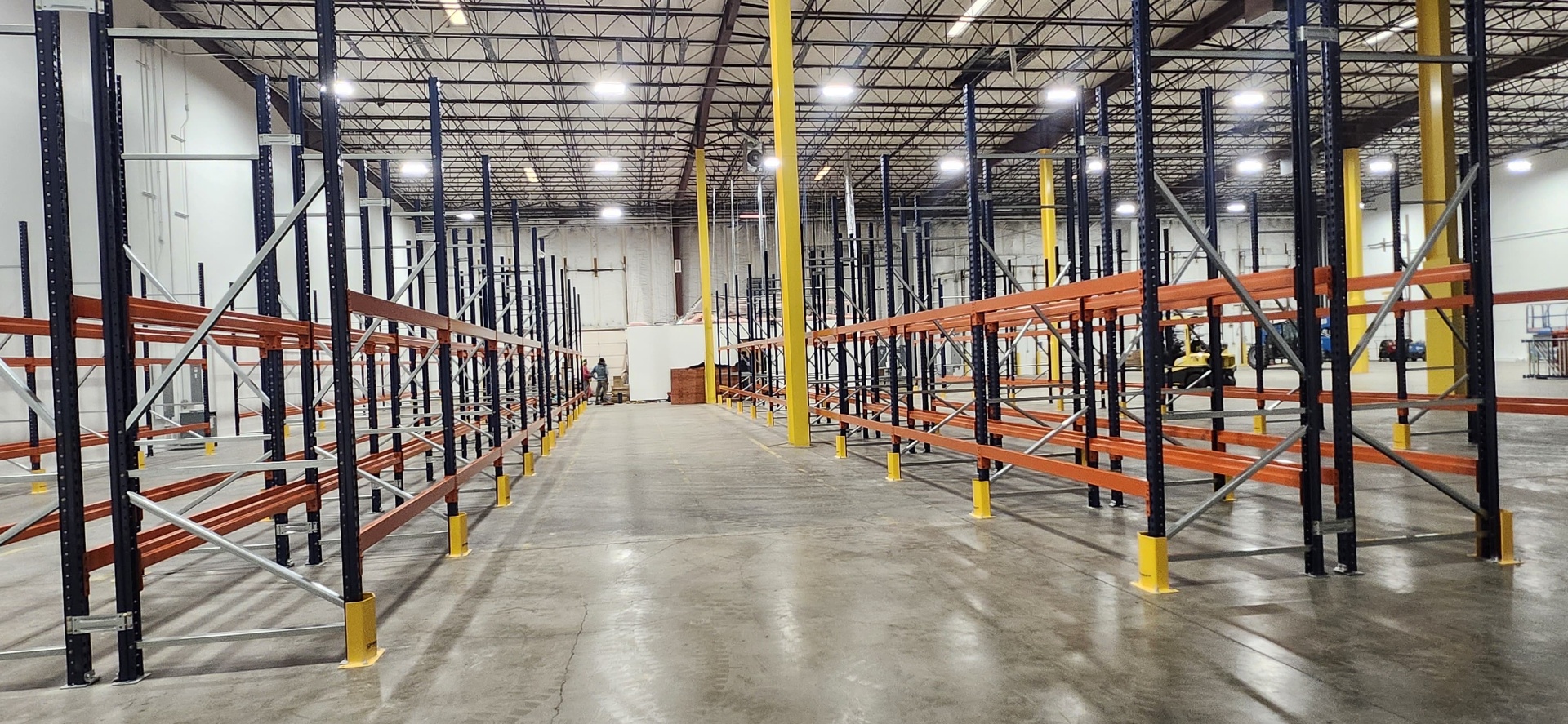
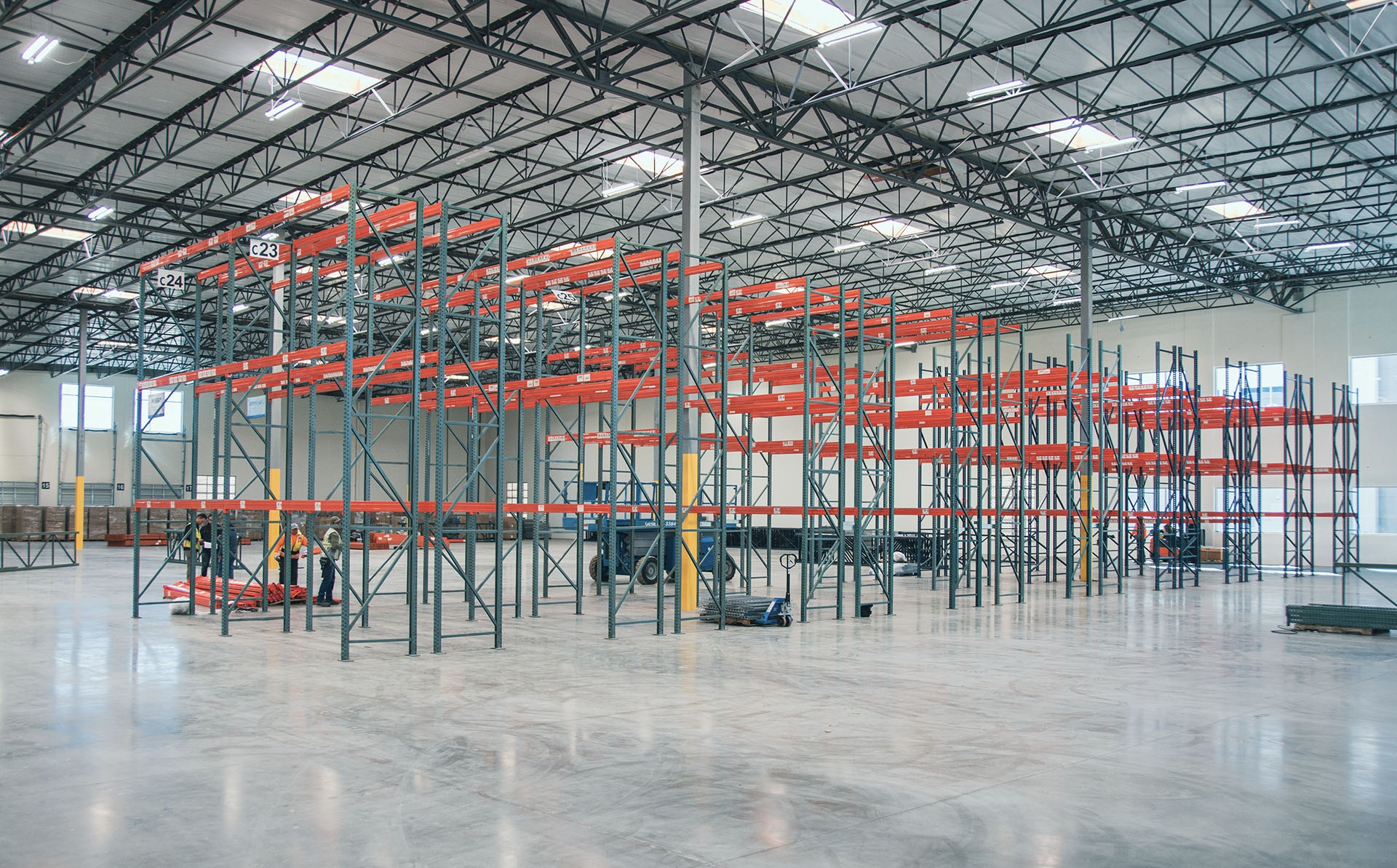
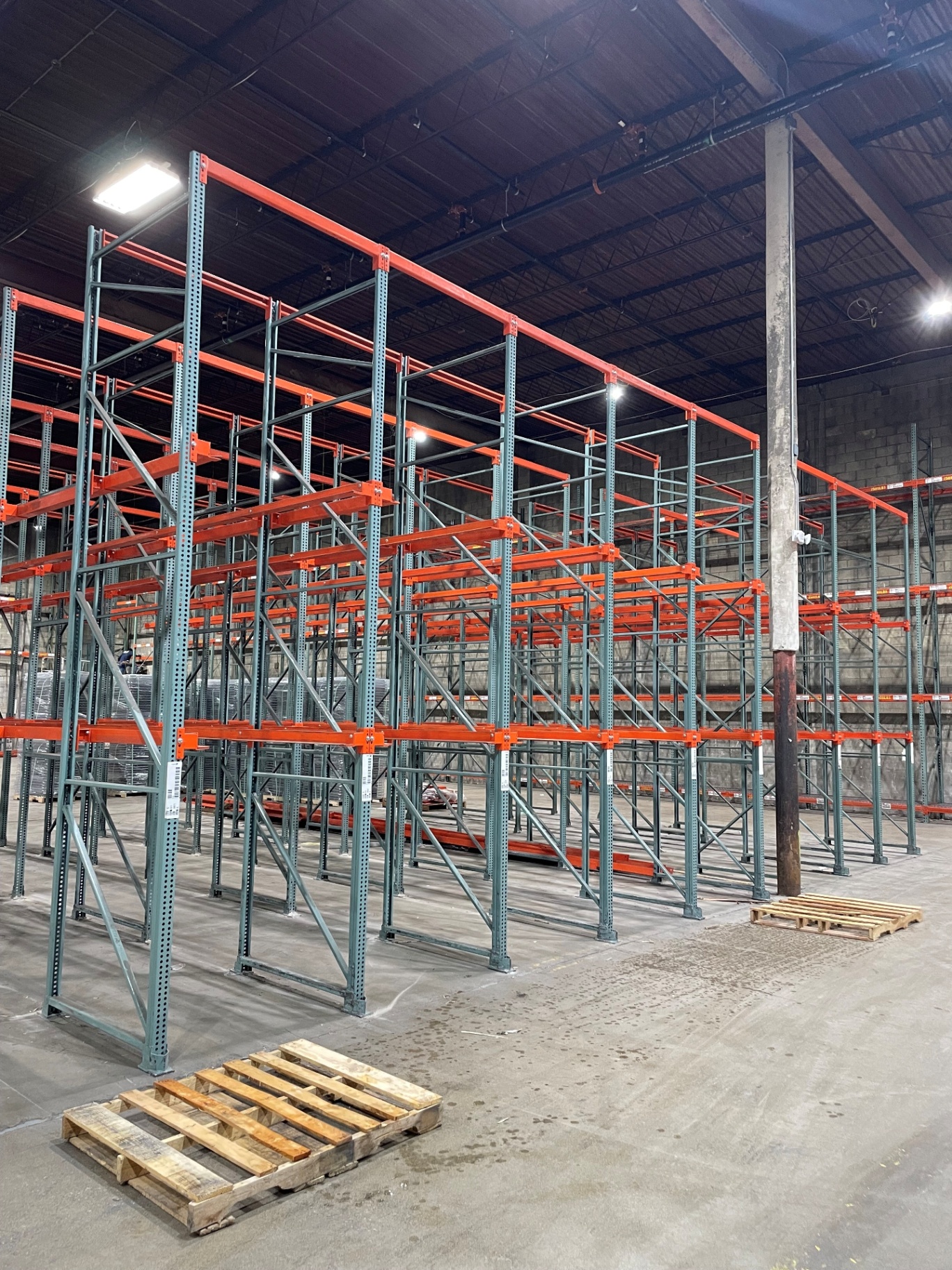
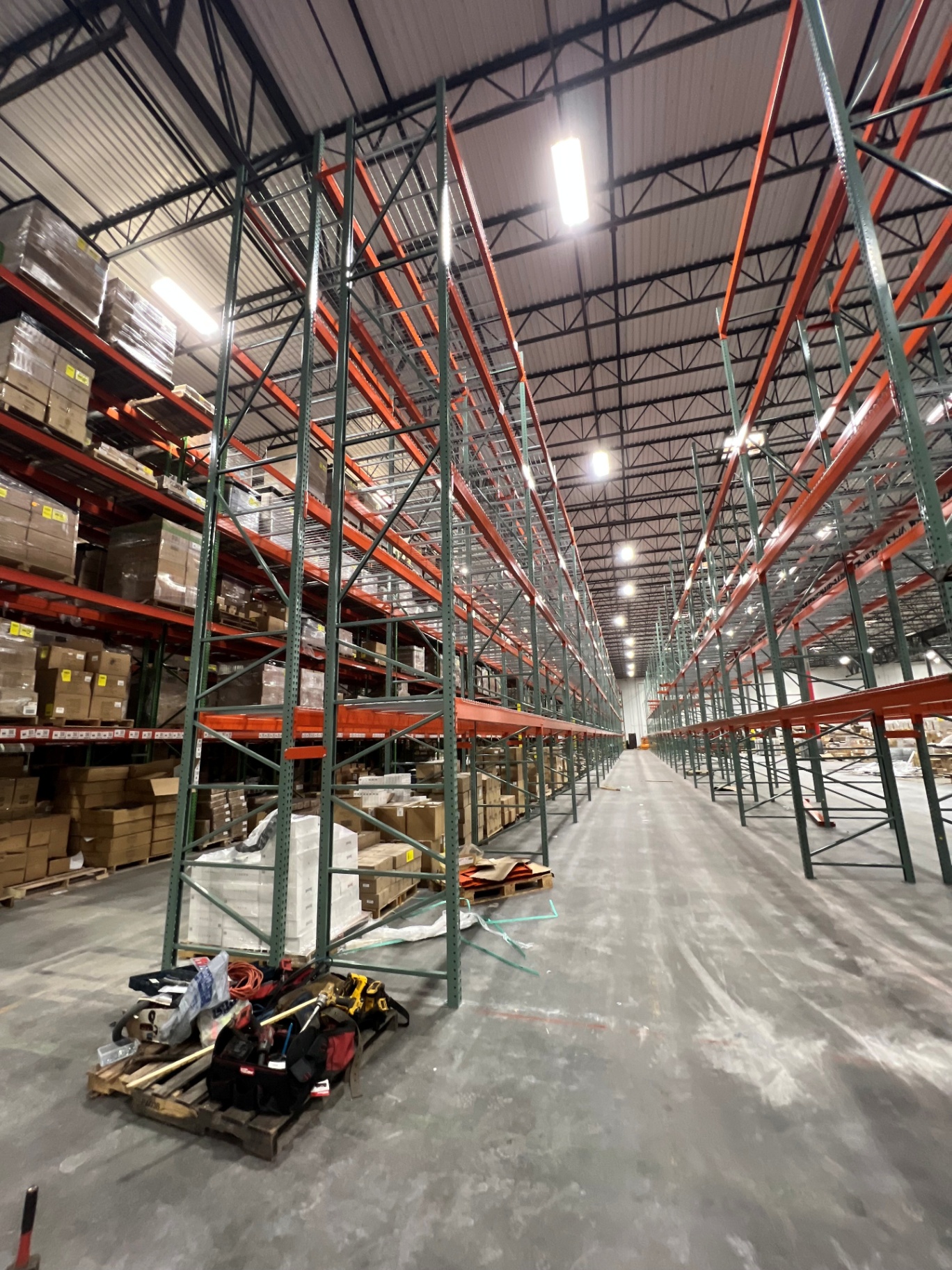
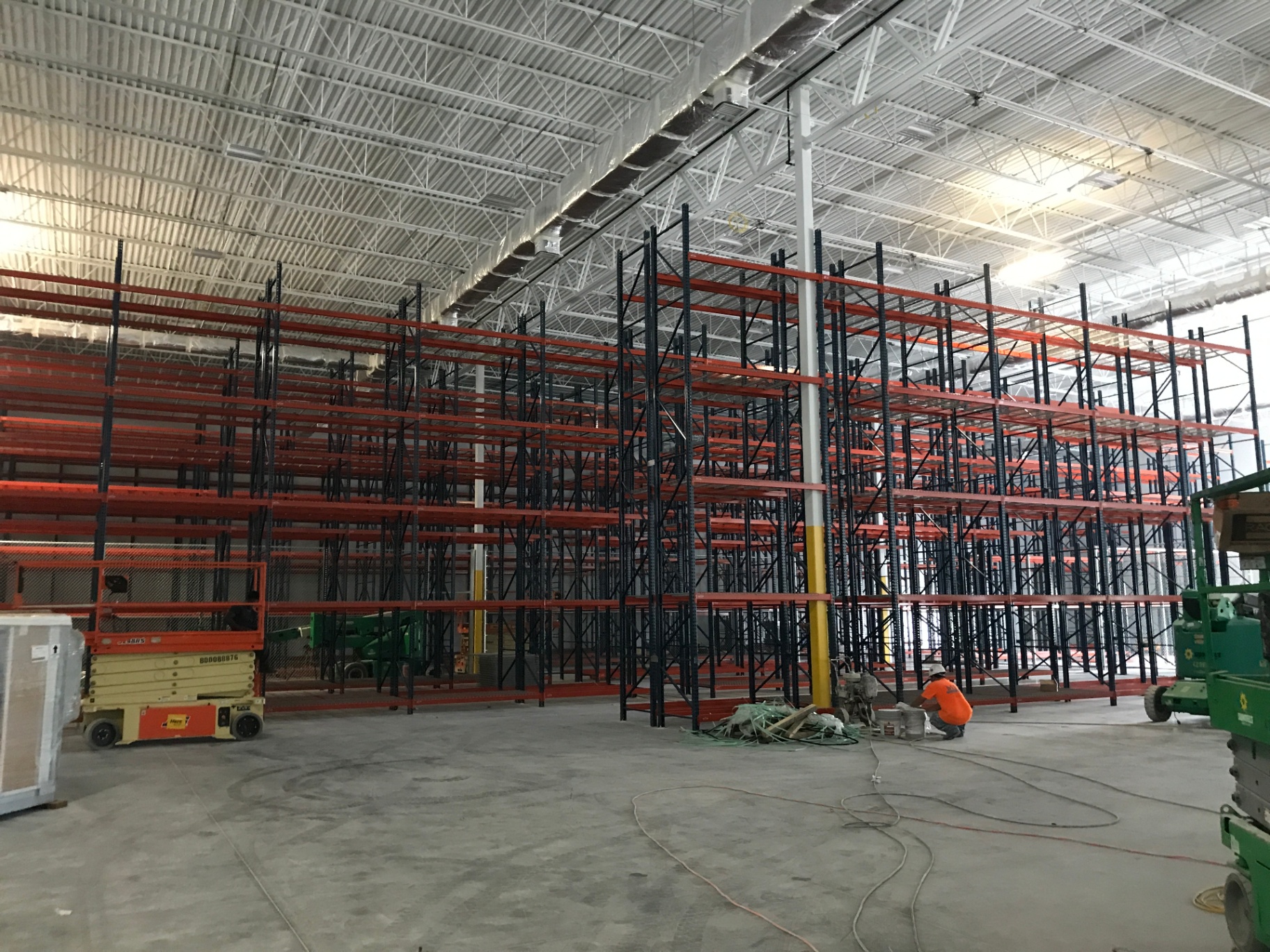
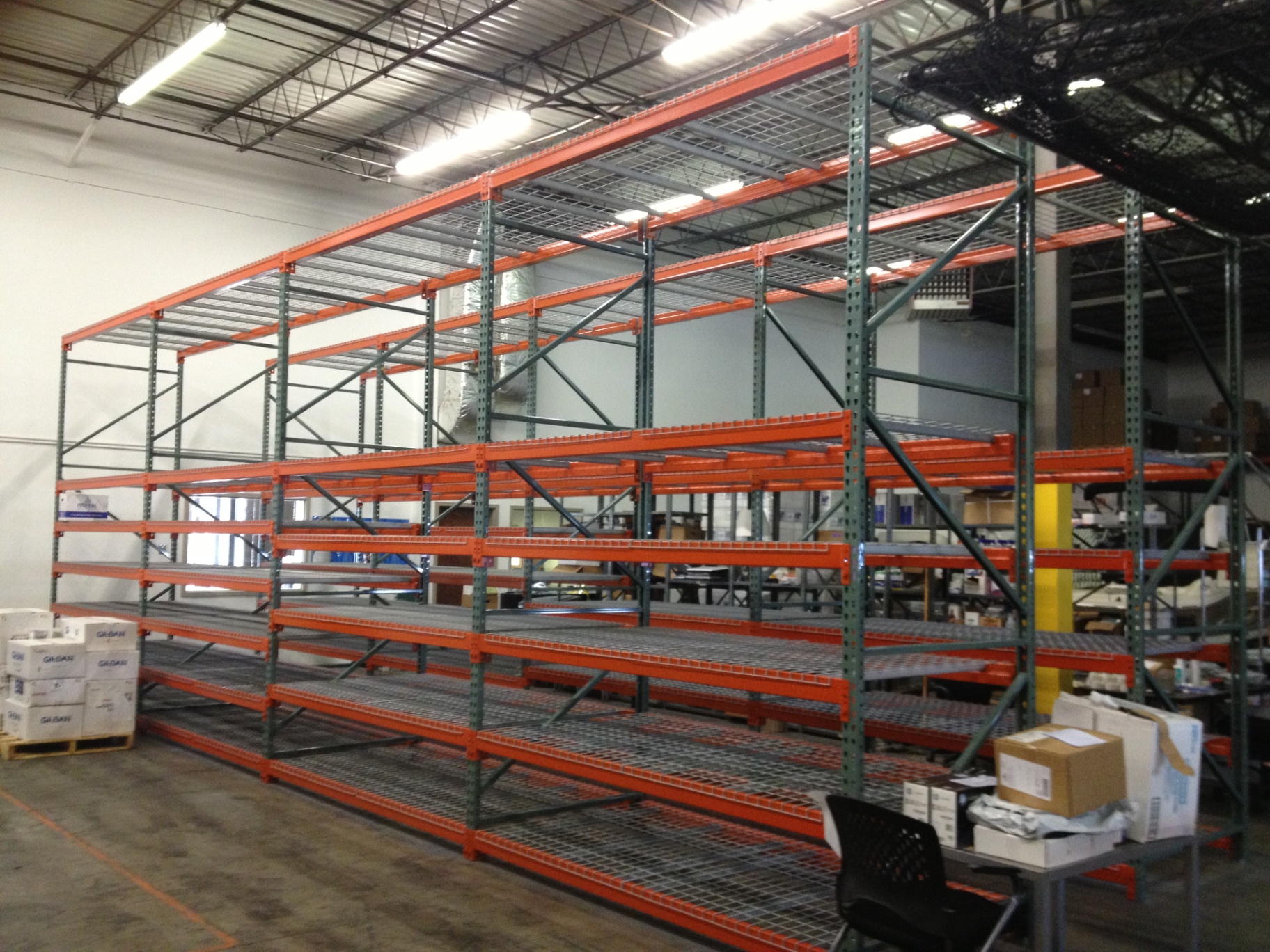
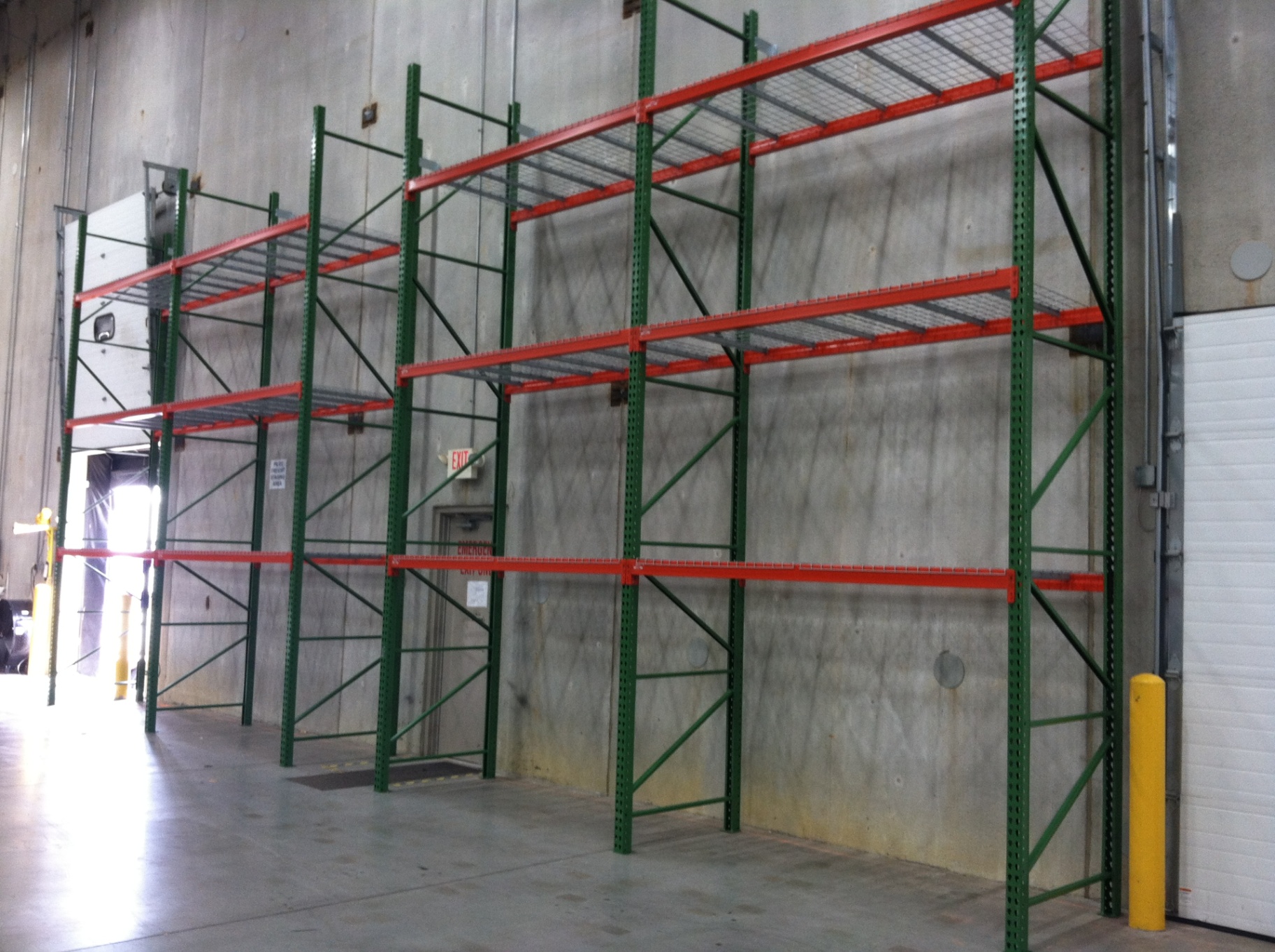
Racking projects completed for warehouses across Buffalo and Western New York.
Request a reserve layout review
Bring your reserve inventory and plant constraints into a practical new-rack discussion before selecting the storage depth. Call (716) 261-2779.
Buffalo Pallet Rack
2075 Kenmore Ave.
Ste 100A
Buffalo, NY 14207
(716) 261-2779Monday - Saturday: 8:00 AM - 6:00 PM
Questions from industrial storage buyers
Other Rack Types We Supply in Tonawanda
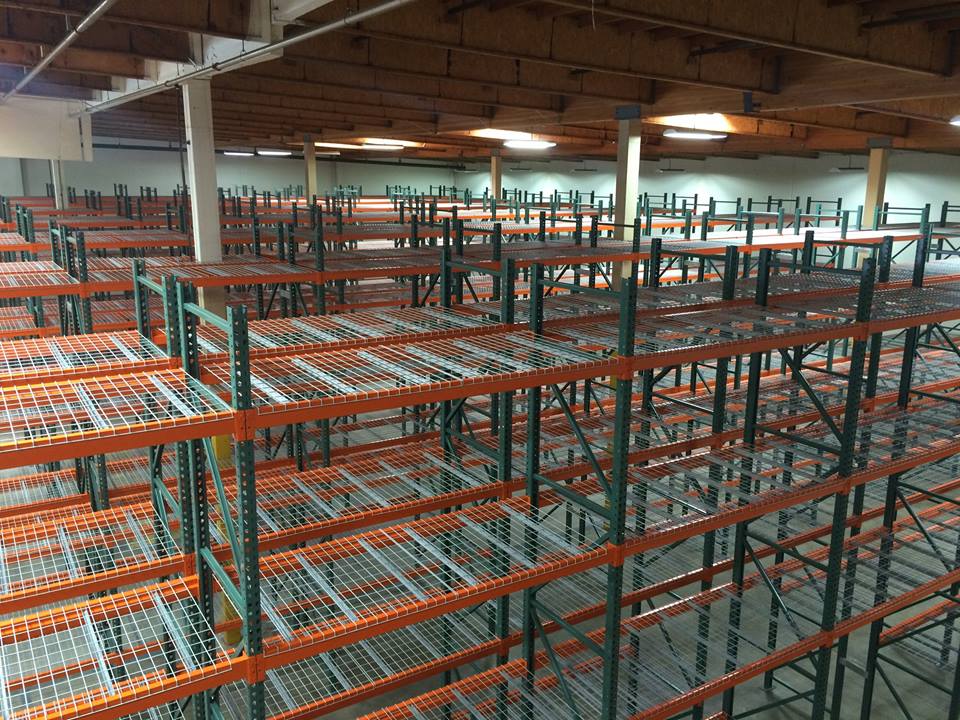
Pallet Rack
Every pallet reachable, every time. The baseline we size everything else against.
View details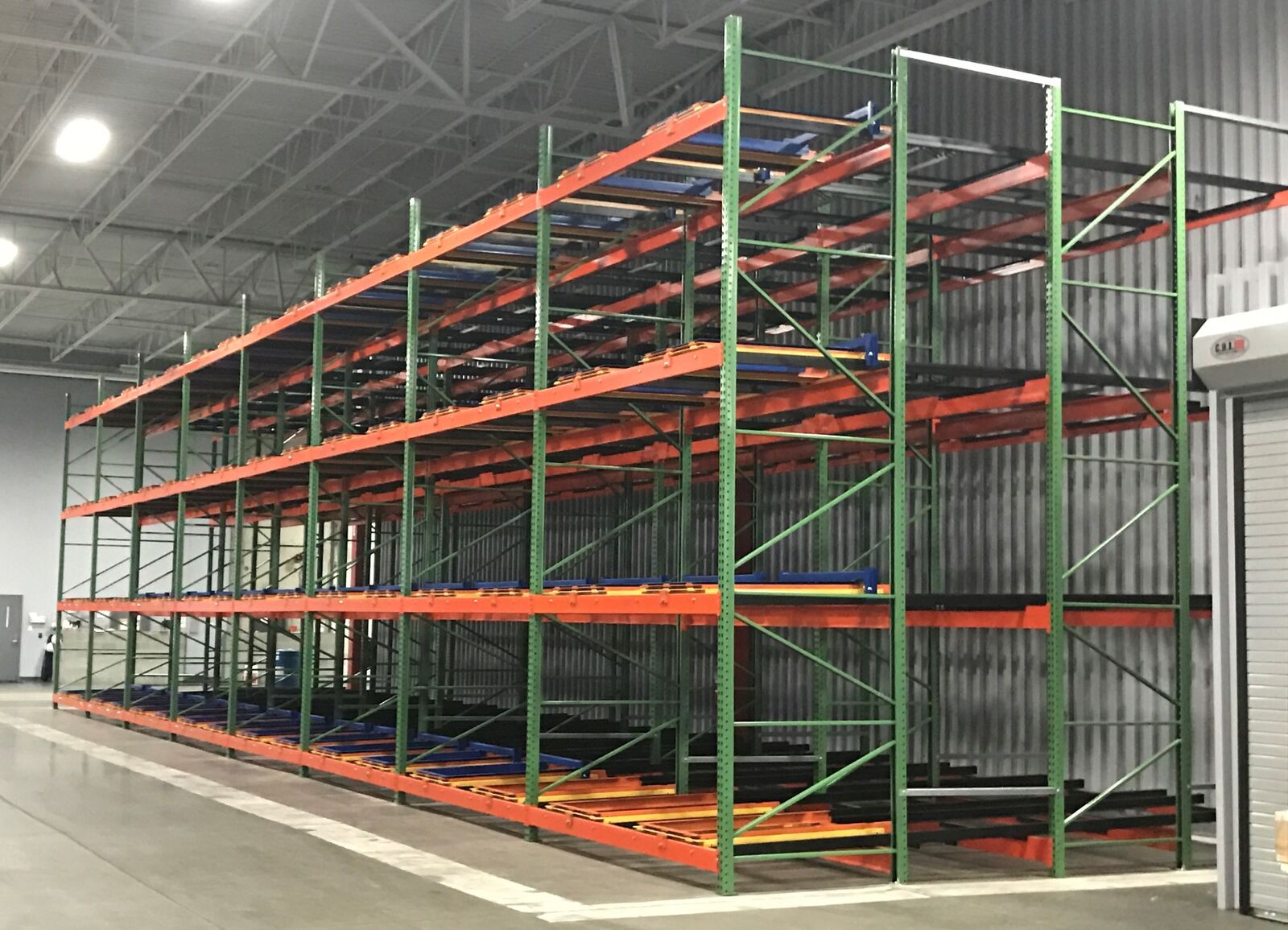
Pushback Rack
Two to six pallets deep from one aisle, without giving up much reach.
View details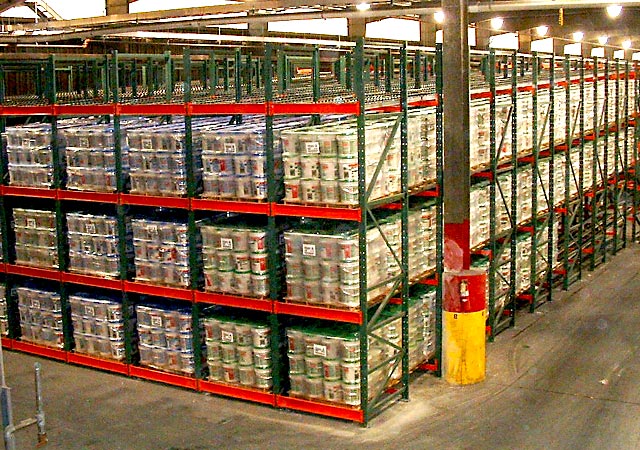
Pallet Flow Rack
Load one side, pick the other, and let gravity enforce first in, first out.
View details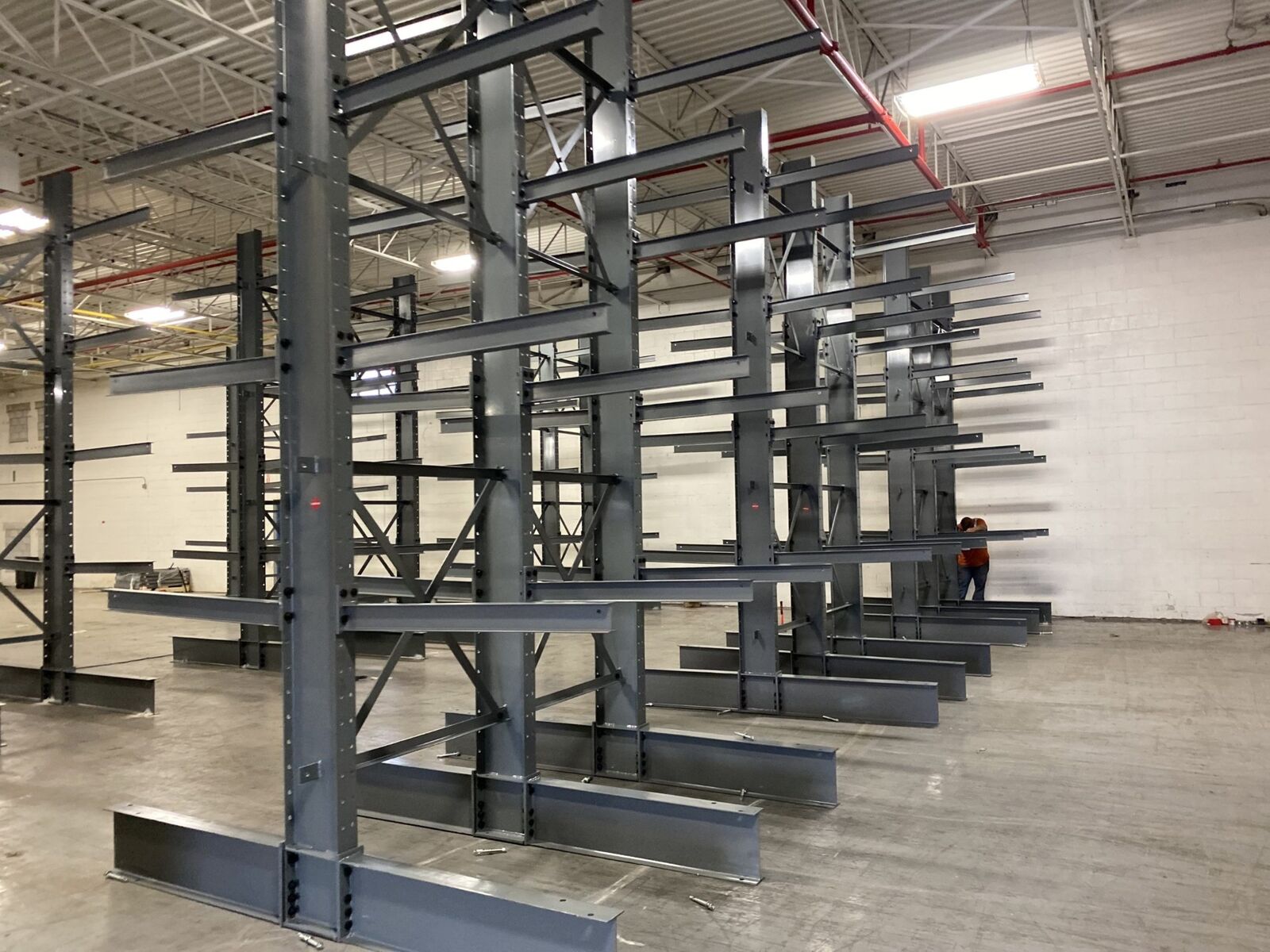
Cantilever Rack
Arms with nothing in front of them, built for lumber, pipe, and anything a pallet can't hold.
View details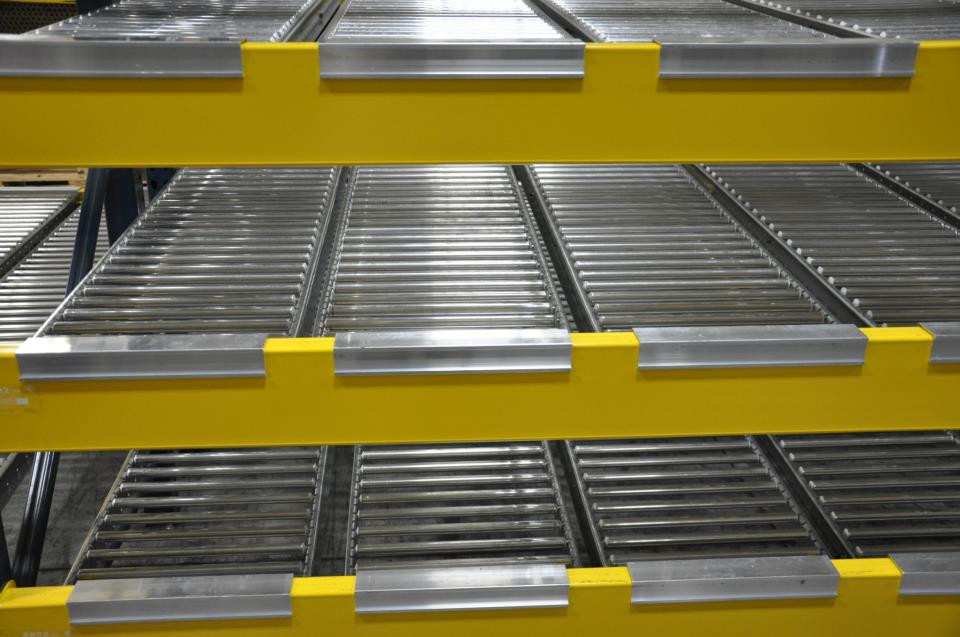
Carton Flow Rack
Cases advance to the picker instead of the picker hunting for cases.
View detailsTonawanda manufacturing area coverage
We consider River Road industrial layouts and Sheridan Drive facilities on their own measurements. I-190 and I-290 connections may shape delivery planning, but the internal route from unloading to the installation area still needs review.
Warehouse Relocation in Tonawanda
Moving to another building? Plan rack teardown, labeling, transport coordination, and reinstallation against the new layout.
Visit Our Buffalo Location
Located in Buffalo, we serve all of Western New York with industrial pallet racks and warehouse storage solutions.
Buffalo Pallet Rack
Address
2075 Kenmore Ave.
Ste 100A
Buffalo, NY 14207
Phone
(716) 261-2779Business Hours
Monday - Saturday: 8:00 AM - 6:00 PM
Sunday: Closed
Need Drive-In Rack in Tonawanda?
Call (716) 261-2779 or request a quote and we will get a layout started.